 REVIEWS.io - Rate us to Win Seeds
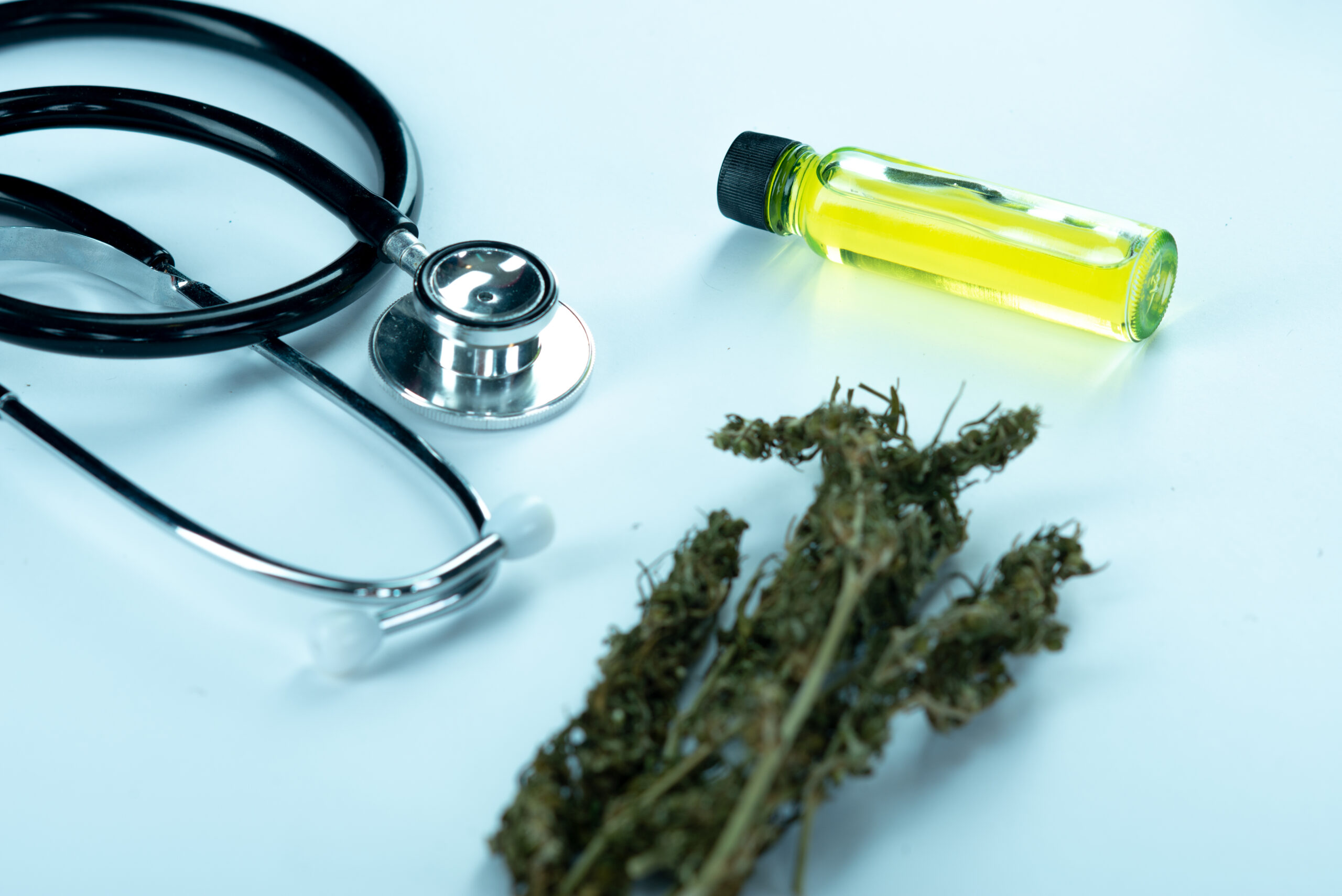
Medical cannabis is greatly effective in treating certain medical conditions. The chemicals that the cannabis plant contains are called cannabinoids. These cannabinoids help in reducing chronic pain, severe nausea, and vomiting due to chemotherapy, etc.
However, there is still ongoing research on the functions of all the chemicals contained in cannabis. One of the main reasons for that is its illegal status in countries for decades. But it cannot be denied that the nature of cannabinoids is similar to the chemicals produced in our body to influence movement, memory, and pain.
Medical cannabis can help manage conditions like chronic pain, epilepsy, multiple sclerosis, anxiety, PTSD, cancer-related symptoms, and more. It may reduce inflammation, pain, seizures, and nausea through interactions with the body’s endocannabinoid system. If you have a medical cannabis prescription, getting cannabis for your medical condition won’t be a problem.
How Medical Cannabis Works in the Body
Before you understand how cannabis impacts your body, you need to understand the concept of the endocannabinoid system (ECS). It is a complex system within your body that regulates sleep, mood, appetite, memory, reproduction, and fertility, among other functions.
Researchers have identified that endocannabinoids are similar to the cannabinoids found in cannabis, except that your body naturally produces them. Endocannabinoids get attached to the endocannabinoid receptors and signal that the ECS needs to take action.
When the natural stability of your body (referred to as homeostasis) is disrupted, ECS kicks in to restore the stability. For example, if you are experiencing pain or inflammation in your body, the ECS works to calm your discomfort.

There are multiple medical benefits of medical cannabis. For example, chronic pain management, epilepsy, managing side effects of chemotherapy, and others. But you might still wonder – Is medical cannabis legal in the UK?
Yes, it is. On the 1st of November, 2018, the use of medical cannabis became legalised in the UK, but its medical application has been regulated to be used in specific medical conditions.
What’s the Role of THC and CBD in Your Body?
Delta-9-tetrahydrocannabinol (THC) and cannabidiol (CBD) are the two main cannabinoids found in cannabis. As you already know, endocannabinoids are similar to the cannabinoids found in cannabis; they attach to the endocannabinoid receptors in your body to give you a similar effect.
But researchers have found that CBD does not attach to the receptors as THC does. Some believe that CBD prevents the breakdown of endocannabinoids after it has done its work by attaching itself to the receptors. So, your body feels its positive effect for a sustained period.
Other opinions suggest that CBD might bind to some other receptors that have not been discovered yet.
Conditions Commonly Treated with Medical Cannabis
Let’s see which medical conditions can be treated using medical cannabis in the UK.
Permitted Medical Use of Cannabis in the UK
In the UK, doctors are allowed to use Cannabis-based medicines in the following cases: Epilepsy, Nausea due to Chemotherapy, and Multiple Sclerosis Spasticity.
Epilepsy
CBD-based medicine, Epidyolex, is permitted to be used in treating rare forms of epilepsy among children. Along with this licensed CBD-based medicine, doctors also use Clobazam to treat epilepsy.
Vomiting Due to Chemotherapy
A licensed drug is used to control vomiting, which is caused by chemotherapy. It is a synthetic medicine that has a similar effect to THC. Doctors prescribe the medicine for adults if other medicines have failed to control the nausea due to chemotherapy.
Multiple Sclerosis
Those who suffer from muscle stiffness and spasms due to Multiple Sclerosis, Sativex can be of use to them. It is an oral spray that contains both THC and CBD.
Besides these conditions, cannabis-based medicines are also used to reduce the symptoms of different medical conditions, such as chronic pain, anxiety, ADHD, etc. in other parts of the world.
Chronic Pain
Cannabinoids are used in managing neuropathic pain among patients. It interacts with the endocannabinoid system to manage chronic pain in your body. However, further study is required to verify the effectiveness of cannabis in managing chronic pain.
Anxiety and PTSD
Medicinal use of cannabis to manage anxiety and PTSD is also on the rise. It helps to reduce stress and help people stay calm. CBD-based medicine and CBD oil in limited dosage show positive results in managing anxiety and PTSD.
Besides, medical cannabis for ADHD and autism also shows promising results. It helps to manage anger, hyperactivity, and sleep-related issues due to autism. With further evidence, cannabis can be used as an alternative to medicines to treat these symptoms.
The main challenge to getting evidence-based data on the medicinal use of cannabis is its illegality. In several parts of the world, cannabis is still considered illegal. Still, some research has been conducted on the benefits of cannabis for medical usage.
| Condition | Level of Evidence | Type of Cannabis Used | Notable Notes |
|---|---|---|---|
| Chronic Pain | Strong clinical evidence | THC, CBD, or both | Reduces the need for opioids in some cases |
| Epilepsy (Epidyolex) | High | CBD | Epidyolex approved for certain types |
| MS Spasticity | Moderate to strong | THC, CBD | Shown to reduce spasms and pain |
| Cancer Symptoms | Moderate | THC, CBD | Relief from nausea and appetite loss |
| Anxiety, PTSD | Mixed | Primarily CBD | Low doses help; high THC may worsen anxiety |
| Glaucoma | Low to moderate | THC | Temporary effect, not a long-term solution |
| Crohn’s Disease | Early but promising | THC, CBD | Reduces inflammation; more research needed |
Table 1: Medical Conditions and Cannabis Usage
Are There Any Risks and Considerations?
Excessive usage of medical cannabis can cause intoxication in patients. As a result, an intoxicated patient might injure themselves and others. Moreover, children might ingest cannabis-based medicines if kept haywire, which may harm them.
Other short-term side effects might include euphoria, an altered sense of space and time, confusion, and anxiety.
However, you should know that all these side effects might occur if you overdose or abuse medical cannabis.
How to Get Medical Cannabis in the UK?
In the UK, data suggests that patients had difficulties accessing cannabis for medical usage. So, the UK government has decided to include some cannabis-based medicines in the Misuse of Drugs Regulations 2001. It had allowed the doctors and medical practitioners to legitimately keep the medicines to themselves.
It simplified the accessibility of cannabis-based medicines for patients so that the medicines are solely used to get better.
Is Medical Cannabis Right for You?
A medical practitioner or a doctor will decide whether cannabis-based medicines are right for you. In most cases, cannabis-based medicines are prescribed if other alternatives are not effective. Consult a doctor before using a medicine based on cannabis.