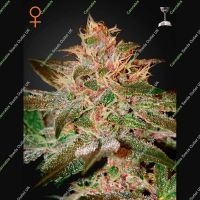
Growing Cannabis Outdoors
Growing cannabis outdoors offers several benefits, both for home cultivators and commercial growers. Here are some advantages of outdoor cannabis cultivation:
Cost Savings: Outdoor cultivation typically requires fewer resources and inputs compared to indoor growing operations. Natural sunlight eliminates the need for expensive artificial lighting, reducing electricity costs. Additionally, outdoor growers may spend less on climate control, ventilation, and other equipment required for indoor cultivation.
Large Scale Production: Outdoor cultivation allows for larger-scale production due to the abundance of space and natural sunlight. Commercial outdoor growers can cultivate extensive cannabis crops, resulting in higher yields and potentially lower production costs per unit.
Natural Sunlight: Sun-grown cannabis benefits from natural sunlight, which provides a full spectrum of light wavelengths essential for plant growth and cannabinoid production. Sunlight also promotes robust plant development, potentially resulting in larger yields and higher cannabinoid potency.
Environmental Sustainability: Outdoor cultivation is generally more environmentally sustainable than indoor growing methods. It reduces energy consumption, carbon emissions, and reliance on synthetic fertilizers and pesticides. Additionally, outdoor cultivation utilizes natural resources such as soil, water, and sunlight more efficiently.
Enhanced Terpene Profiles: Outdoor-grown cannabis often exhibits unique terpene profiles influenced by local soil composition, climate, and environmental factors. Terpenes contribute to the aroma, flavor, and therapeutic effects of cannabis, providing a diverse range of sensory experiences for consumers.
Lower Production Costs: Outdoor cultivation typically incurs lower production costs compared to indoor or greenhouse operations. Reduced expenses for lighting, climate control, and infrastructure can result in higher profit margins for growers.
Potential for Organic Certification: Outdoor cultivation lends itself to organic farming practices, allowing growers to produce cannabis using natural methods without synthetic pesticides or fertilizers. Organic certification can appeal to environmentally conscious consumers seeking clean and sustainable cannabis products.
Connection to Nature: Cultivating cannabis outdoors allows growers to develop a deeper connection with nature and the natural growing process. Working with the elements and observing seasonal changes can be rewarding and therapeutic for enthusiasts passionate about horticulture and agriculture.
Scalability and Flexibility: Outdoor cultivation offers scalability and flexibility for growers of all levels, from small-scale hobbyists to large commercial operations. Growers can adapt cultivation techniques to suit their available space, budget, and desired production scale.
Cultural and Regional Diversity: Outdoor cultivation fosters cultural and regional diversity in the cannabis industry, with unique growing practices, traditions, and heritage strains cultivated in different geographic regions worldwide.
Despite these advantages, outdoor cannabis cultivation also poses challenges such as susceptibility to pests, pathogens, adverse weather conditions, and regulatory limitations in certain regions. Growers must carefully consider local climate, soil quality, security measures, and compliance requirements when planning outdoor cultivation operations.Why Grow Cannabis Outdoors?
There are many benefits to growing cannabis outdoors, mostly is that there is no electricity cost and it is much better for the environment to grow naturally. Cannabis Seeds grown outdoors can produce some of the most monstrous yields imaginable. Outdoor Marijuana Seeds are difficult to choose and take some research to understand what is important when choosing the right outdoor strain.
negatives to growing marijuana outdoors
While there are certainly advantages to growing marijuana outdoors, such as potentially lower costs and larger yields, there are also some negatives to consider:
Weather Dependence: Outdoor cultivation is highly dependent on weather conditions. Factors such as temperature, humidity, rainfall, and sunlight can all impact the growth and health of marijuana plants. Extreme weather events like storms, hail, or excessive heat can damage or destroy crops.
Pest and Disease Risks: Outdoor cultivation exposes plants to a greater risk of pests and diseases compared to indoor setups. Insects, animals, mold, mildew, and other pathogens can all pose significant threats to the health and yield of outdoor marijuana crops. Controlling these pests and diseases can be more challenging outdoors than in a controlled indoor environment.
Security Concerns: Growing marijuana outdoors may attract unwanted attention from thieves, vandals, or law enforcement. Outdoor cultivation sites are more visible and accessible, making them vulnerable to theft or discovery by authorities.
Limited Control: Unlike indoor cultivation, outdoor growers have limited control over environmental factors such as light, temperature, and humidity. This lack of control can lead to inconsistencies in growth and yield, as well as challenges in maintaining optimal conditions for plant health.
Legal Restrictions: The legality of outdoor marijuana cultivation varies depending on location. In areas where marijuana cultivation is legal, there may still be restrictions on outdoor growing, such as zoning regulations or limits on the number of plants allowed. Additionally, in regions where marijuana cultivation is illegal, outdoor growers face the risk of legal consequences if discovered.
Quality Control: Outdoor-grown marijuana may not consistently meet the quality standards of indoor-grown cannabis. Factors such as environmental stress, pest damage, and inconsistent growing conditions can affect the potency, flavor, and overall quality of the final product.
Seasonal Limitations: Outdoor cultivation is typically limited to the growing season, which varies depending on geographical location. In regions with short growing seasons or harsh climates, outdoor growers may have a limited window of time to cultivate their crops, resulting in smaller yields or lower-quality harvests.
Overall, while outdoor cultivation offers potential cost savings and larger yields, growers must carefully weigh these benefits against the risks and limitations associated with growing marijuana outdoors.
problems that can occur when growing weed outdoors
Growing marijuana outdoors presents a range of challenges that can affect the health, yield, and quality of the plants. Here are some common problems that can occur when growing weed outdoors:
Pest Infestations: Outdoor marijuana plants are susceptible to infestations by various pests such as aphids, spider mites, caterpillars, and fungus gnats. These pests can damage the plants by feeding on leaves, stems, and flowers, potentially reducing yield and quality.
Disease Outbreaks: Outdoor environments can harbor fungal diseases such as powdery mildew, botrytis (bud rot), and root rot. These diseases thrive in humid conditions and can spread rapidly, causing significant damage to marijuana plants and reducing overall yield.
Weather Extremes: Outdoor cultivation exposes plants to weather extremes such as extreme heat, cold, heavy rain, strong winds, and hailstorms. These weather events can stress plants, damage foliage, and even break branches, leading to reduced growth and yield.
Nutrient Deficiencies or Imbalances: Outdoor soil may lack essential nutrients or have imbalances in pH levels, which can lead to nutrient deficiencies or toxicities in marijuana plants. Without proper nutrient management, plants may exhibit stunted growth, yellowing leaves, and overall poor health.
Overwatering or Underwatering: Inconsistent watering practices can lead to overwatering or underwatering of outdoor marijuana plants. Overwatering can suffocate roots and promote root rot, while underwatering can cause wilting, nutrient deficiencies, and reduced yield.
Herbivore Damage: Outdoor marijuana plants may be damaged by herbivores such as deer, rabbits, rodents, and insects. These animals can eat foliage, buds, and stems, causing significant damage and reducing overall yield.
Security Risks: Outdoor cultivation sites are more vulnerable to theft, vandalism, and discovery by law enforcement compared to indoor setups. Growers may need to implement security measures such as fences, cameras, and alarms to protect their plants from theft or damage.
Cross-Pollination: Outdoor marijuana plants can be at risk of cross-pollination from nearby hemp or male cannabis plants. Cross-pollination can reduce the quality and potency of the flowers, as well as interfere with breeding programs or seed production.
Environmental Stress: Outdoor marijuana plants may experience stress from environmental factors such as high temperatures, low humidity, poor air circulation, and pollution. Environmental stress can weaken plants, making them more susceptible to pests, diseases, and other problems.
Overall, outdoor marijuana cultivation requires careful attention to environmental conditions, pest management, nutrient needs, watering practices, and security measures to ensure successful growth and a bountiful harvest.
precautions to take when growing marijuana outdoors
When growing marijuana outdoors, it's essential to take precautions to ensure the health, safety, and security of your plants. Here are some key precautions to consider:
Choose a Suitable Location: Select a well-drained and sunny location with access to ample sunlight, preferably with southern exposure. Ensure the site is discreet and away from public view to minimize the risk of theft or detection.
Secure the Site: Implement security measures such as fences, locks, and surveillance cameras to protect your plants from theft, vandalism, and unauthorized access. Consider using motion-activated lights or alarms to deter intruders.
Control Odor: Outdoor marijuana plants can produce strong odors, which may attract unwanted attention. Install carbon filters or odor-neutralizing products to minimize odor emissions and maintain discretion.
Prevent Cross-Pollination: To avoid accidental cross-pollination, separate male and female plants or use feminized seeds. If growing near hemp fields or other cannabis cultivators, consider creating physical barriers or planting windbreaks to prevent pollen drift.
Monitor Environmental Conditions: Regularly monitor environmental factors such as temperature, humidity, and sunlight exposure. Consider using weather monitoring tools or mobile apps to track conditions and adjust cultivation practices accordingly.
Manage Watering Carefully: Water plants consistently to maintain optimal soil moisture levels, but avoid overwatering, which can lead to root rot and other problems. Consider using drip irrigation or soaker hoses to deliver water directly to the roots while minimizing runoff.
Prevent Pest and Disease Infestations: Inspect plants regularly for signs of pests, diseases, or nutrient deficiencies. Implement integrated pest management (IPM) strategies, such as using beneficial insects, companion planting, and organic pesticides, to control pests and diseases effectively.
Provide Nutrient Supplementation: Test soil nutrient levels and amend as necessary to provide essential nutrients for plant growth. Consider using organic fertilizers or compost to improve soil fertility and promote healthy root development.
Prune and Train Plants: Prune plants regularly to remove dead or diseased foliage, improve airflow, and promote better light penetration. Consider training techniques such as topping, pruning, and trellising to optimize canopy structure and maximize yield.
Harvest Timely: Monitor plant maturity and harvest your crop at the optimal time to achieve the desired potency, flavor, and yield. Use magnification tools to inspect trichome development and determine peak harvest readiness.
Dispose of Waste Properly: Dispose of plant waste, trimmings, and unused materials responsibly to avoid environmental contamination and minimize the risk of detection. Consider composting organic waste or using discreet disposal methods to maintain privacy.
By taking these precautions and remaining vigilant throughout the growing season, you can maximize the success of your outdoor marijuana cultivation while minimizing risks and potential setbacks.
10 best cannabis strains to grow outside
Selecting the best cannabis strains to grow outdoors depends on various factors such as climate, available space, desired effects, and personal preferences. Here's a list of popular cannabis strains known for their suitability for outdoor cultivation:
Blue Dream: This sativa-dominant hybrid is renowned for its high yields, resilience to pests and diseases, and relatively easy cultivation. Blue Dream produces large, dense buds with a sweet berry aroma and uplifting, euphoric effects.
Northern Lights: A classic indica strain known for its robust genetics and resilience, Northern Lights is well-suited for outdoor growing in cooler climates. It produces dense, resinous buds with a sweet, earthy aroma and deeply relaxing effects.
Durban Poison: Originating from South Africa, Durban Poison is a pure sativa strain prized for its vigorous growth, high resistance to mold and pests, and energizing, uplifting effects. It thrives in warm, sunny climates and produces tall, resinous colas with a sweet, spicy aroma.
OG Kush: This legendary indica-dominant strain is cherished for its potent, euphoric high and robust growth characteristics. While OG Kush may require a slightly longer flowering period, it can thrive outdoors in Mediterranean-like climates, producing dense, trichome-covered buds with a pungent, earthy aroma.
Early Skunk: This is an old school favourite created over 20 years ago by Sensi Seeds. The mostly Indica Dominant variety produces buds that are traditional skunk afghani looking in both the spicy slightly citrus tasting buds and the appearance of light oranges and greens with very early finishing times.
Purple Maroc: This Pheno Skunk No1 has a hint of purple and has a very fruity almost citrus smell. She has very good trichome production. Pheno #2 is slightly slower in the calyx formation and has wonderfully strong fruity smell.
Purple Kush: A resilient indica strain with vibrant purple hues, Purple Kush is well-suited for outdoor cultivation in cooler climates. It produces dense, resinous buds with a sweet, fruity aroma and deeply relaxing, sedating effects.
Trainwreck: This sativa-dominant hybrid is prized for its robust growth, high resistance to mold and pests, and potent, euphoric effects. Trainwreck thrives in temperate climates with ample sunlight, producing large, resinous buds with a spicy, herbal aroma.
Jack Herer: Named after the legendary cannabis activist, Jack Herer is a sativa-dominant hybrid known for its vigorous growth, resistance to pests and diseases, and uplifting, creative effects. It performs well in warm, sunny climates and produces dense, trichome-covered buds with a spicy, piney aroma.
Critical Kush: A potent indica-dominant hybrid, Critical Kush is prized for its high yields, mold resistance, and deeply relaxing effects. It performs well in cooler climates with shorter growing seasons, producing dense, resinous buds with a sweet, earthy aroma.
10 Worst Marijuana Strains to grow Outside
Before selecting a cannabis strain for outdoor cultivation, it's essential to consider factors such as climate suitability, flowering time, yield potential, and desired effects to ensure a successful and rewarding growing experience. Additionally, always source seeds or clones from reputable breeders to ensure quality genetics and optimal plant performance.
When considering outdoor cannabis cultivation, certain strains may present challenges due to their specific growth requirements, susceptibility to pests and diseases, or environmental sensitivity. Here are ten strains that might not be the best choices for outdoor growing:
Sour Diesel: Sour Diesel is known for its long flowering time and susceptibility to mold and pests. It requires a warm and dry climate, making it less suitable for outdoor cultivation in humid regions.
White Widow: While White Widow produces potent buds, it can be prone to mold and mildew, especially during flowering. It may struggle in outdoor environments with high humidity or unpredictable weather.
Gorilla Glue #4: Gorilla Glue #4 is a heavy-yielding strain with potent effects, but it can be challenging to grow outdoors due to its susceptibility to mold and pests. It may require careful monitoring and preventive measures to protect against environmental stressors.
AK-47: AK-47 is a vigorous and resilient strain, but it can be sensitive to temperature fluctuations and moisture levels. It may not perform well in regions with extreme climates or unpredictable weather patterns.
Chemdawg: Chemdawg is known for its pungent aroma and potent effects, but it can be susceptible to pests and diseases, particularly spider mites. It may require frequent monitoring and pest management strategies when grown outdoors.
Girl Scout Cookies: Girl Scout Cookies produces dense, resinous buds with a sweet and earthy aroma, but it can be challenging to grow outdoors due to its sensitivity to moisture and susceptibility to mold. It may fare better in controlled indoor environments.
Pineapple Express: Pineapple Express is a popular strain known for its tropical aroma and uplifting effects, but it can be prone to powdery mildew, especially in outdoor environments with high humidity levels. It may require regular pruning and airflow to prevent mold issues.
Super Lemon Haze: Super Lemon Haze is a high-yielding strain with a citrusy aroma, but it can be sensitive to pests and diseases, particularly aphids and spider mites. It may require vigilant pest management when grown outdoors.
Chocolope: Chocolope is a sativa-dominant strain with a chocolatey aroma and uplifting effects, but it can be susceptible to powdery mildew and bud rot, especially during flowering. It may not be the best choice for outdoor cultivation in humid climates.
Northern Lights #5: While Northern Lights is a classic indica strain known for its resilience and potency, Northern Lights #5 can be more sensitive to environmental stressors and may require extra care when grown outdoors. It may be better suited for indoor cultivation or greenhouse growing.
Before selecting a cannabis strain for outdoor cultivation, it's important to research the strain's specific characteristics, environmental preferences, and potential challenges to ensure a successful growing experience. Additionally, choosing strains with proven outdoor performance and resilience can increase the likelihood of a bountiful harvest.
Outdoor vs Indoor grown cannabis
The differences between outdoor and indoor grown cannabis can impact potency, yield, THC content, and other factors. Here's a comparison of some key aspects:
Potency and THC Content:
Indoor Grown: Indoor cultivation allows for precise control over environmental factors such as light, temperature, humidity, and nutrients. As a result, indoor-grown cannabis often has higher potency and THC content compared to outdoor-grown cannabis. Indoor environments can be optimized to promote cannabinoid and terpene production, leading to potent and flavorful buds. Outdoor Grown: Outdoor cultivation relies on natural sunlight and environmental conditions, which may result in slightly lower potency and THC content compared to indoor-grown cannabis. However, outdoor-grown strains can still produce potent buds, especially when grown in optimal conditions with ample sunlight and nutrient-rich soil.
Potential Yield:
Indoor Grown: Indoor cultivation typically produces smaller yields per plant compared to outdoor cultivation. However, indoor growers can achieve multiple harvests per year by controlling the light cycle and flowering time, resulting in higher overall yields over time. Outdoor Grown: Outdoor cultivation has the potential for larger yields per plant due to the expansive growth space and abundant natural sunlight. Outdoor growers can benefit from the natural ecosystem and larger root systems, leading to robust plant growth and higher yields per individual plant.
Flavor and Terpene Profile:
Indoor Grown: Indoor cultivation allows for precise control over environmental factors, which can influence the development of terpenes and flavors in cannabis buds. Indoor-grown cannabis often exhibits a more diverse and pronounced terpene profile, resulting in richer flavors and aromas. Outdoor Grown: Outdoor cultivation exposes cannabis plants to a wide range of environmental factors, including soil composition, climate, and natural pollinators, which can contribute to unique terpene profiles and flavors. Outdoor-grown cannabis may have a more nuanced and complex flavor profile influenced by its natural surroundings.
Environmental Impact:
Indoor Grown: Indoor cultivation requires energy-intensive lighting, ventilation, and climate control systems, which can have a significant environmental impact. The carbon footprint of indoor cultivation is higher compared to outdoor cultivation due to the energy consumption associated with artificial lighting and environmental control. Outdoor Grown: Outdoor cultivation has a lower environmental impact compared to indoor cultivation since it relies primarily on natural sunlight and environmental resources. Outdoor growers can take advantage of sustainable cultivation practices such as rainwater harvesting, organic soil amendments, and companion planting to minimize environmental impact.
Cost and Complexity:
Indoor Grown: Indoor cultivation tends to be more expensive and complex compared to outdoor cultivation due to the need for specialized equipment, such as grow lights, ventilation systems, and climate control devices. Indoor growers also incur ongoing expenses for electricity, nutrients, and maintenance.
Outdoor Grown: Outdoor cultivation is generally less expensive and simpler compared to indoor cultivation since it relies on natural sunlight and fewer artificial inputs. Outdoor growers may incur initial costs for soil preparation, fencing, and irrigation systems but can save on ongoing expenses for energy and equipment.
are outdoor or indoor grown cannabis buds better
Whether outdoor or indoor-grown cannabis buds are "better" is subjective and depends on individual preferences, as well as specific factors such as potency, flavor, aroma, yield, and environmental impact. Both cultivation methods have their advantages and disadvantages, and what may be considered better for one person may not be the same for another. Here's a comparison of some key factors to consider:
Potency and THC Content:
Indoor Grown: Indoor cultivation allows for precise control over environmental factors, resulting in higher potency and THC content in cannabis buds. Indoor-grown strains often have more consistent cannabinoid profiles and may produce buds with higher levels of THC. Outdoor Grown: Outdoor cultivation relies on natural sunlight and environmental conditions, which can result in slightly lower potency and THC content compared to indoor-grown cannabis. However, outdoor-grown strains can still produce potent buds, especially when grown in optimal conditions.
Flavor and Aroma:
Indoor Grown: Indoor cultivation enables growers to control environmental factors such as temperature, humidity, and airflow, resulting in buds with more pronounced flavors and aromas. Indoor-grown cannabis often exhibits a diverse and complex terpene profile, leading to richer flavors and aromas. Outdoor Grown: Outdoor cultivation exposes cannabis plants to natural environmental factors, which can influence the development of terpenes and flavors in buds. Outdoor-grown cannabis may have a more nuanced and earthy flavor profile influenced by factors such as soil composition, climate, and natural pollinators.
Yield:
Indoor Grown: Indoor cultivation typically produces smaller yields per plant compared to outdoor cultivation. However, indoor growers can achieve multiple harvests per year by controlling the light cycle and flowering time, resulting in higher overall yields over time. Outdoor Grown: Outdoor cultivation has the potential for larger yields per plant due to the expansive growth space and abundant natural sunlight. Outdoor growers can benefit from the natural ecosystem and larger root systems, leading to robust plant growth and higher yields per individual plant.
Environmental Impact:
Indoor Grown: Indoor cultivation requires energy-intensive lighting, ventilation, and climate control systems, resulting in a higher environmental impact compared to outdoor cultivation. The carbon footprint of indoor cultivation is higher due to the energy consumption associated with artificial lighting and environmental control. Outdoor Grown: Outdoor cultivation has a lower environmental impact compared to indoor cultivation since it relies primarily on natural sunlight and environmental resources. Outdoor growers can implement sustainable cultivation practices to minimize environmental impact.
Ultimately, whether outdoor or indoor-grown cannabis buds are better depends on personal preferences, desired characteristics, and specific cultivation goals. Some consumers may prefer the potency and consistency of indoor-grown buds, while others may appreciate the unique flavors and aromas of outdoor-grown cannabis. Both cultivation methods have their strengths and can produce high-quality buds when executed properly.
Overall, both indoor and outdoor cultivation methods have their advantages and disadvantages, and the choice between the two depends on factors such as desired potency, flavor, yield, environmental impact, and budget constraints.
How to find a discreet outdoor location to grow cannabis
Finding a discreet outdoor location to grow cannabis requires careful consideration of various factors to ensure privacy, security, and legal compliance. Here are some steps to help you find a suitable location:
Research Local Laws and Regulations: Before choosing a location, familiarize yourself with the laws and regulations regarding cannabis cultivation in your area. Ensure that outdoor cultivation is legal and understand any restrictions or limitations that may apply, such as plant count limits or zoning regulations.
Choose a Remote and Secluded Area: Look for remote and secluded areas that are away from public view and foot traffic. Consider areas such as forests, wooded areas, remote fields, or private property with limited access. Avoid locations near hiking trails, popular recreation areas, or residential neighborhoods to minimize the risk of detection.
Assess Accessibility: Consider the accessibility of the chosen location in terms of transportation and foot traffic. Choose a location that is easily accessible for you but difficult for others to reach without detection. Avoid locations that require passing through private property or crossing sensitive areas.
Check for Sunlight and Soil Quality: Ensure that the chosen location receives ample sunlight throughout the day to support healthy plant growth. Evaluate the soil quality to ensure it is well-drained, fertile, and free from contaminants or pollutants that could affect plant health.
Consider Security Measures: Assess the security of the chosen location and implement measures to protect your plants from theft, vandalism, or discovery. Consider installing fences, barriers, or camouflage to conceal your plants from view. Use motion-activated lights or alarms to deter intruders and monitor the site remotely if possible.
Maintain Discretion: Practice discretion when accessing and tending to your plants to avoid attracting unwanted attention. Use camouflage clothing or coverings to blend in with your surroundings and minimize the risk of detection. Avoid discussing your cultivation activities with others to maintain confidentiality.
Regularly Monitor the Site: Visit the cultivation site regularly to check on your plants, monitor environmental conditions, and address any issues that may arise. Maintain a low profile and avoid drawing attention to yourself or the location.
Respect the Environment: Be mindful of the environmental impact of your cultivation activities and strive to minimize disruption to the ecosystem. Avoid damaging native vegetation, disturbing wildlife habitats, or causing pollution that could harm the environment.
Plan for Harvest and Cleanup: Develop a plan for harvesting your plants and cleaning up the cultivation site once the growing season is over. Dispose of plant waste, trimmings, and unused materials responsibly to avoid environmental contamination and minimize the risk of detection.
Be Prepared for Challenges: Understand that outdoor cultivation may present challenges such as pests, diseases, weather fluctuations, and environmental stressors. Be prepared to address these challenges proactively and adapt your cultivation practices as needed to ensure a successful harvest.
By following these steps and exercising caution, you can find a discreet outdoor location to grow cannabis while minimizing the risk of detection and ensuring the safety and security of your plants.
how to guerilla grow cannabis outdoors
Growing cannabis outdoors can be a rewarding experience, but it requires careful planning, preparation, and attention to detail to ensure a successful harvest. Here's a step-by-step guide to help you grow cannabis outdoors:
Choose the Right Location:
Select a sunny and well-ventilated location with access to at least 6-8 hours of direct sunlight per day. Ensure the location is discreet, away from public view, and provides adequate space for plant growth. Consider factors such as soil quality, drainage, and accessibility when choosing the location.
Prepare the Soil:
Test the soil pH and nutrient levels to determine if any amendments are needed. Amend the soil with organic matter such as compost, aged manure, or worm castings to improve fertility and texture. Ensure proper drainage by loosening compacted soil and incorporating perlite or coarse sand if necessary.
Germinate Seeds or Start Clones:
Germinate cannabis seeds by soaking them in water for 24-48 hours until they sprout, then plant them in seedling pots or directly into the ground. Alternatively, start with clones obtained from a reputable source, ensuring they are healthy and pest-free.
Planting:
Wait until the last frost date has passed before planting cannabis outdoors. Dig holes or prepare planting beds with enough space between plants to allow for adequate airflow and sunlight penetration. Transplant seedlings or clones into the prepared soil, ensuring they are planted at the same depth as they were in their original containers.
Provide Water and Nutrients:
Water cannabis plants regularly, keeping the soil evenly moist but not waterlogged. Water deeply to encourage root growth and drought tolerance. Monitor soil moisture levels and adjust watering frequency based on weather conditions. Feed plants with a balanced fertilizer formulated for cannabis during the vegetative growth phase, and switch to a flowering fertilizer during the flowering stage.
Support and Training:
Provide support for cannabis plants as they grow taller to prevent them from bending or breaking under their own weight. Consider using stakes, cages, or trellises to support branches and encourage upward growth. Train plants by gently bending and securing branches to promote an even canopy and maximize light exposure.
Pest and Disease Management:
Monitor plants regularly for signs of pests, such as aphids, spider mites, or caterpillars, and treat infestations promptly with organic pest control methods. Preventive measures such as companion planting, beneficial insects, and neem oil can help deter pests and reduce the risk of infestation. Keep the area around plants clean and free from debris to minimize habitat for pests and disease vectors.
Harvesting:
Monitor the development of flowers and trichomes to determine when plants are ready for harvest. Harvest cannabis buds when trichomes are cloudy or amber-colored, indicating peak potency. Use sharp pruning shears to carefully trim buds from plants, removing excess foliage and stems.
Drying and Curing:
Hang harvested buds upside down in a cool, dark, and well-ventilated space to dry for 7-10 days. Once buds are dry, trim off excess leaves and place them in airtight containers to cure for 2-4 weeks, burping containers regularly to release moisture and prevent mold.
Enjoy Your Harvest:
Once buds are properly dried and cured, they are ready for consumption. Store cured buds in a cool, dark place in airtight containers to maintain freshness and potency. Enjoy your homegrown cannabis responsibly and share the fruits of your labor with friends and fellow enthusiasts.
By following these steps and providing the proper care and attention, you can successfully grow cannabis outdoors and enjoy a bountiful harvest of high-quality buds.
Indica vs Sativa Strains when growing Outdoors?
When deciding whether to grow indica or sativa cannabis outdoors, several factors should be considered, including climate, growing season length, and personal preferences. Here's a comparison of indica and sativa strains for outdoor cultivation:
Climate Suitability:
Indica: Indica strains are typically better suited for outdoor cultivation in regions with shorter growing seasons or cooler climates. They have a shorter flowering time and tend to be more resilient to colder temperatures, making them ideal for northern latitudes or higher elevations. Sativa: Sativa strains thrive in warm and sunny climates with longer growing seasons. They have a longer flowering time and may require more time to mature fully. Sativa strains are well-suited for outdoor cultivation in tropical or Mediterranean climates with ample sunlight and warmth.
Plant Size and Structure:
Indica: Indica plants are generally shorter and bushier, making them more discreet and easier to conceal in outdoor settings. They have a compact growth structure and produce dense, resinous buds that are less susceptible to mold and pests. Sativa: Sativa plants tend to be taller and more slender, with longer internodal spacing and larger colas. They may require more space and support to accommodate their height and sprawling growth habit. Sativa strains can thrive outdoors in open areas with plenty of room for vertical growth.
Yield and Harvest Time:
Indica: Indica strains typically have a faster flowering time and shorter vegetative growth phase, resulting in quicker harvests and potentially higher yields per plant. They are well-suited for growers seeking a faster turnaround time and multiple harvests per season. Sativa: Sativa strains have a longer flowering time and may require additional time to reach full maturity outdoors. While they may produce larger yields per plant, they require patience and a longer growing season to achieve optimal results.
Effects and High:
Indica: Indica strains are known for their relaxing and sedating effects, making them popular for evening or nighttime use. They often produce a body-centric high that can help alleviate pain, insomnia, and stress. Sativa: Sativa strains are prized for their uplifting and energizing effects, which are typically more cerebral and creative in nature. They are often chosen for daytime use or social activities, providing a euphoric and uplifting high.
Pest and Disease Resistance:
Indica: Indica strains tend to be more resilient to pests, diseases, and harsh environmental conditions due to their compact growth structure and resinous buds. They may require less maintenance and intervention to protect against mold, pests, and other environmental stressors. Sativa: Sativa strains may be more susceptible to pests, diseases, and environmental stressors due to their larger size and longer flowering time. They may require more vigilant pest management and preventive measures to ensure healthy growth and optimal yields.
Ultimately, the decision to grow indica or sativa cannabis outdoors depends on factors such as climate, growing conditions, personal preferences, and cultivation goals. Growers should choose strains that are well-suited to their local climate and environmental conditions to maximize success and yield. Additionally, hybrid strains that combine characteristics of both indica and sativa varieties may offer the best of both worlds for outdoor cultivation.
Are automatic cannabis strains good for outdoor growing
When choosing your next outdoor marijuana seeds it's important to consider a lot of things. One thing to consider which may make life and growing easier is to use Auto Seeds for growing outdoors. Growing Autoflowering Seeds outdoors has many benefits as the plants will not be dependant on the seasonal changes and thus can grow and finish in the most optimal time. There are many great benefits which we list below.
Auto Seeds grown outdoors can have multiple harvests in a single season Auto seeds are more resilient so much harder to kill. Growing Autoflowering seeds outdoors is much easier Auto Strains are more discrete and compact Normal seeds can grow huge and thus can be highly indiscreet
Autoflowering strains are otherwise known as Ruderalis. Ruderalis is found naturally growing outdoor in parts of northern Siberia so they are genetically programmed to be highly resilient to extreme weather conditions. This step in plant evolution has been perfectly modified to suit outdoor growing conditions and this is why autos are popular outdoor cannabis seeds to grow.
Automatic, or autoflowering, cannabis strains can be well-suited for outdoor growing under certain conditions. Here are some factors to consider when determining if autoflowering strains are good for outdoor cultivation:
Short Growing Season: Autoflowering strains are known for their rapid growth and short life cycle, typically completing their entire growth cycle in 8-12 weeks from seed to harvest. This makes them ideal for outdoor growers in regions with short growing seasons, allowing for multiple harvests within a single season.
Less Dependent on Light Cycles: Autoflowering strains do not rely on changes in light cycles to trigger flowering, as photoperiod strains do. This means they can be planted and grown outdoors regardless of the season or daylight hours. This flexibility allows for greater control over the timing of harvests and reduces the risk of light pollution affecting plant growth.
Discreet and Stealthy: Autoflowering strains are typically smaller in size compared to photoperiod strains, making them more discreet and easier to conceal outdoors. This can be advantageous for growers looking to cultivate cannabis in locations where discretion is necessary.
Resilience to Environmental Stress: Autoflowering strains tend to be more resilient to environmental stressors such as fluctuations in temperature, humidity, and weather conditions. This makes them suitable for outdoor cultivation in various climates, including regions with unpredictable weather patterns.
Ease of Cultivation: Autoflowering strains are generally easier to cultivate compared to photoperiod strains, making them ideal for novice growers or those with limited experience. They require less maintenance and fewer inputs, such as nutrients and training, resulting in a more straightforward growing experience.
Harvest Timing: Autoflowering strains typically have a fixed flowering period, which means they will automatically transition from the vegetative stage to the flowering stage after a certain number of weeks. This predictability allows growers to plan their harvests more accurately and ensure optimal timing for maximum potency and yield.
While autoflowering strains offer several advantages for outdoor cultivation, it's essential to consider their potential drawbacks as well. Autoflowering strains tend to have smaller yields compared to photoperiod strains, and they may not reach the same level of potency or flavor. Additionally, some growers prefer the control and customization offered by photoperiod strains, which allow for more extensive training techniques and environmental manipulation.
Overall, autoflowering strains can be an excellent choice for outdoor growers seeking a convenient, discreet, and low-maintenance option that provides fast turnaround times and reliable harvests. As with any cannabis cultivation endeavor, selecting the right strain for your specific needs and environmental conditions is key to success.
What to Consider When Buying Outdoor Cannabis Seeds
So firstly you want to decide if to go auto or non-auto when deciding which cannabis seeds to grow outdoors. Auto marijuana seeds will grow much easier and almost guarantee you a harvest of some amount. Standard non-auto strains grown outdoors will produce large yields but will take a very long time to grow, leaving them more vulnerable to disease and potentially losing the crop. There are many things to consider when growing outdoors and choosing the right strain.
Know your growing ability and choose a strain that is suitable for your experience. know your environment and when your sunny season will end. decide what medicinal benefits you require and if you prefer Indica or Sativa Know how discrete you need to be in planning your grow space Be sure that you have direct access to water or a good natural supply nearby Choose a strain that is as resilient to mould and pests as possible
The Best Outdoor Marijuana Seeds for Sale
We have compiled a list of the top 10 best cannabis strains to grow outdoors and you can find our favourites by visiting our website. These strains have been considered for wetter climates and the best to buy outdoor cannabis seeds UK climates suitable. It is really quite a difficult decision to choose the most suitable strain and really it is recommended that you carry out your own research.
Thank you for reading if you did manage to get to the end of this guide to growing cannabis outside and we wish you good luck on your venture.
 REVIEWS.io - Rate us to Win Seeds