 REVIEWS.io - Rate us to Win Seeds
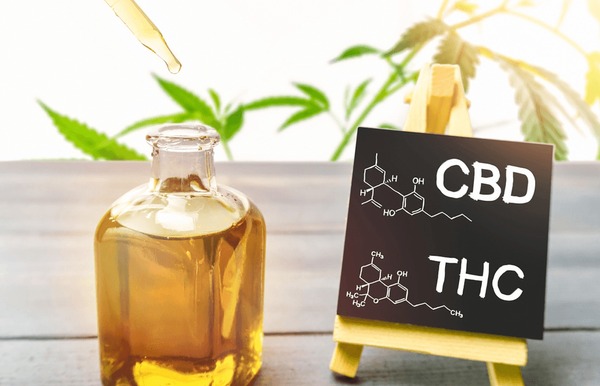
THC and CBD are two compounds that are present in the highest proportions in cannabis. Both compounds come from the same herb, but these two compounds will impact your body in distinct ways.
The main difference is that THC is psychoactive and CBD is medicinal. While THC will give you the “high,” CBD has applications in pain and inflammation management. If you want to know more about the difference between CBD and THC, then keep reading.
What Are Cannabinoids?
You may have noticed that THC and CBD are the most discussed cannabinoids. This is due to their abundance in cannabis and their distinct effects on the body. These two cannabinoids have a number of recreational and therapeutic applications.
Cannabinoids naturally occur in cannabis, but they can also be created synthetically. These compounds can interact with your endocannabinoid system (ECS), which is a complex cell-signalling network. This ECS network is responsible for the regulation of a variety of physiological processes, including sleep, appetite, mood, and immunity.
Today, CBD and THC are being studied extensively for their potential medicinal applications and presence in cannabis products. In the next part, we are going to understand the differences between CBD and THC
What is THC?
Let’s understand the cannabinoid THC (delta-9-tetrahydrocannabinol).
Psychoactive Effects
As you have already learned, THC is the key psychoactive component in marijuana that is responsible for the intoxicating “high” effect. This effect is the result of the compound attaching to your CB1 receptors. As a result, the neurotransmitter activity in your body is altered. You start feeling changes in perception, mood, and memory.
Medical Uses
You will find the use of THC in relieving chronic and cancer-related symptoms. It can ease and relieve nausea. It can alleviate vomiting, especially the ones induced by chemotherapy.
You will also find THC useful in stimulating appetite. Studies indicate that synthetic forms of THC like dronabinol and nabilone are prescribed to reduce chemotherapy-induced nausea. Studies also mention its application as an appetite booster in patients with AIDS.
Now, THC is not necessarily more effective than standard medications. What makes it special is its ability to relieve multiple symptoms at the same time.
Legal Considerations
THC laws vary across the world. Usage for relaxation and therapeutic purposes is permitted in some jurisdictions. For example, this is applicable in Canada and certain US states. But recreational use remains prohibited in the EU, while some approved medical cannabis products are legal. In general, you will find full prohibition to limited decriminalisation across nations.
What Is CBD?
Now, learn about the cannabinoid CBD (Cannabidiol).
Non-Psychoactive Nature
CBD is a non-psychoactive compound. It does have medicinal benefits, but does not make you feel euphoric or “high.” So, if you want to avoid the intoxicating feeling, you can use CBD instead of THC. Talking about the difference between THC and CBD, the latter does not bind with the CB1 receptor like the former.
Medical & Wellness Benefits
CBD activates receptors other than CB1. These include receptors for serotonin, GABA, GPR55, PPAR𝛄, and TRPV1. They are mostly responsible for controlling mood, pain, and inflammation.
CBD can also ease neurological issues, sleep disorders, epilepsy, and anxiety. You can find CBD available as oils, topicals, and gummies.
Legal Considerations
CBD is more widely accepted globally compared to THC. This is mostly due to the therapeutic effects it creates without the intoxication of THC. But CBD products are still regulated. It is important that you understand the CBD law in any country you visit.
For example, CBD with no more than 0.2% THC is legal in the UK if it is being sold as a food supplement or a medicine. In the US, CBD derived from hemp containing less than 0.3% THC is legal at the federal level. But state laws can still vary.
Key Differences between THC and CBD
Here is an overview of THC vs. CBD.
| THC | CBD | |
|---|---|---|
| Psychoactivity | Alters perception and makes you “high.” | Improves mood without making you “high.” |
| Medical Applications | More effective in boosting hunger, and lowering pain and nausea. | More effective in reducing anxiety and inflammation. |
| Side Effects | Red eyes, dry mouth, and dehydrated feel. | Minimal side effects, often manifesting as mild digestive upset. |
Psychoactivity
THC can alter your mood and perception. But CBD does not create such an effect. CBD is also psychoactive. It will just not make you intoxicated in the same way as THC. Research indicates that CBD may have anti-psychoactive properties. So, it can counter and balance the intoxicating effects of THC.
Medical Applications
THC is considered better in the management of issues like pain, vomiting, and nausea. And CBD appears to be more effective in reducing anxiety and inflammation.
CBD also has FDA-approved medical applications in treating or managing various other conditions. These include severe childhood epilepsy, tuberous sclerosis complex, neurodegenerative diseases, and more.
Side Effects
THC can cause red eyes and dry mouth. It can make you feel a bit dehydrated. But CBD generally does not cause notable side effects. Some users may face mild digestive upset after using CBD.
Can THC and CBD Work Together?
THC can activate the CB1 receptors in your brain. Thus, it will lower your pain sensation. And CBD can activate other pain-regulating receptors. It also enhances the natural endocannabinoids in your body.
When considering the working mechanism of CBD vs THC, it can be said that they together work towards providing a more complete pain relief. They can alleviate your pain and symptoms together by working through multiple pathways. The two can help you bring a balance between recreational and medicinal use. However, CBD is more common in medical herb products.
Which One Is Right for You?
The choice of THC vs CBD should be based on your consumption goals. If you want to feel euphoric or get “high,” you should go for THC-rich products or strains. But go for CBD products if you want the non-psychoactive benefits.
Generally, CBD has greater medicinal use and a better safety profile than THC. But your choice should also depend on your tolerance, medical needs, local laws, and potential drug interactions.
Ready to Try Out Cannabinoid?
Cannabinoids like THC and CBD have recreational and medical applications. While THC is more about recreation and pain relief, CBD is known for its medicinal and anxiety-reducing properties. What works for you depends on your consumption goals, tolerance, and interaction with other medications.
Make sure you are aware of the side effects and intoxicating potential. Also, try to understand the balance of effects when considering the intake of THC and CBD together. So, if you are clear on the difference between CBD and THC, get your preferred cannabinoid today!
Frequently Asked Questions
Is It Better to Take THC or CBD?
Lorem ipsum dolor sit amet, consectetur adipiscing elit. Ut elit tellus, luctus nec ullamcorper mattis, pulvinar dapibus leo.
Which is Better for Sleep? THC or CBD?
THC is the psychoactive component of cannabis. So, it can make you feel sleepy. According to studies, although THC can promote sleep initially, it can change your sleep architecture in the long run. However, the same studies also show that CBD can effectively improve sleep quality without causing psychoactive effects.
Which is Better: Higher CBD or Higher THC?
The experience of individuals can vary. You may prefer cannabis with higher CBD content if you are a daytime user who wants to avoid the “high.” But if you want the more pronounced pain-relieving and euphoric effects, you will benefit from higher proportions of THC.
How Long Do Cannabinoids Stay in Your Body?
The time it takes for your system to clear out THC and CBD from your body can vary. For occasional users, consuming CBD twice or thrice weekly, detectable levels of THC can stay in your body for up to 3 days.
In case of moderate use, like 4 to 5 times weekly, THC will be detectable for 5 to 7 days. And it can take 10 to 15 days for THC to be undetectable in your system if you are a regular CBD consumer.