 REVIEWS.io - Rate us to Win Seeds
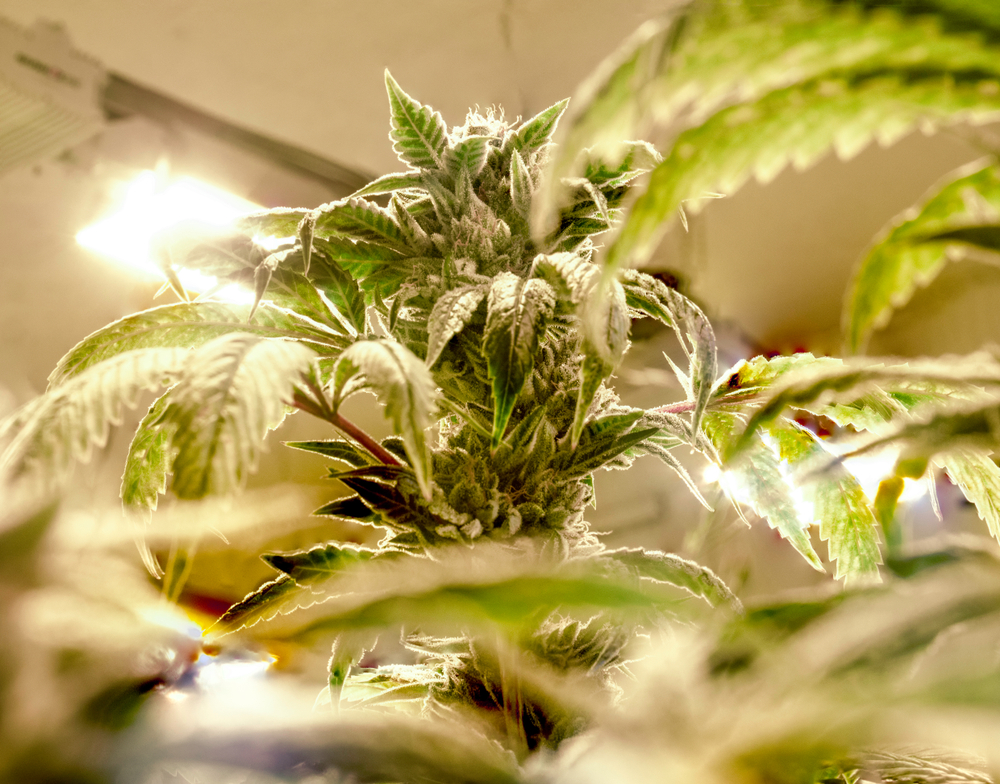
Light has a direct relationship with cannabis growth. Having a sound knowledge of light stress and light burn helps cultivators to know how much light is appropriate for their growth.
Do you think that more light results in better cannabis growth? If yes, then you are wrong! Not more, not less, you need a specific amount of light to obtain perfect growth. Light stress and light burn are the two issues that occur when a plant is exposed to excessive light.
Artificial lighting provides precise control over light intensity, spectrum, and duration. This helps to optimise plant growth. Well, cannabis light damage in cultivation is common in indoor setups and greenhouse production. This is due to the poor balance between the lighting conditions and the plant’s needs. This blog evaluates the identification, treatment, and prevention of light stress and light burn in cannabis.
How Does Cannabis Use Light for Growth?
Whether natural or artificial, light is the fundamental factor for the growth of cannabis. The photosynthesis rate of the plant is directly impacted by the light’s intensity (PPFD) and duration (photoperiod). This affects the overall growth of a plant, bud development, and cannabinoid synthesis.
Choosing the right light intensity is important for the proper growth of the cannabis plant. Like, the cannabis seedling light intensity is different from the intensity in the vegetative or flowering stage. Here is a cannabis light intensity chart.
| Stage | Ideal PPFD Range (µmol/m²/s) | Light Schedule | Needed Spectrum | Notes |
|---|---|---|---|---|
| Seedling | 100 to 300 | 18 hours on/6 hours off | Blue-heavy | Gentle light to avoid stress |
| Vegetative | 400 to 600 | 18 hours on/6 hours off | Full spectrum+Blue | Promotes leaf and root growth |
| Flowering | 600 to 1000 | 12 hours on/12 hours off | Full spectrum+Red | Maximises bud development and prevents light stress |
Table 1: Suggested Light Intensity for Different Stages
Light Stress and Light Burn: What Are They?
Cannabis light stress is the physical damage and psychological distress that takes place when the balance between the energy absorbed by the plant and the energy used in metabolic processes is disrupted. This results in photoinhibition, oxidative damage, and lowers the effectiveness of photosynthesis.
Cannabis light burn refers to a condition where the leaves and buds of a plant that are nearest to the light source are damaged. This damage is done by a high light intensity, often combined with high heat. This accounts for breaking down chlorophyll, thereby submerging the plant’s capability to perform photosynthesis.
Let’s see how these two issues differ.
| Aspect | Light Stress | Light Burn |
|---|---|---|
| Location | Affects the upper canopy | Concentrated on particular leaves and buds |
| Severity level | Mild to severe | Severe and permanent damage |
| Onset | Gradual | Rapid |
| Damage type | Reversible | Often permanent |
Table 2: Light stress vs Light burn
How to Identify Light Stress and Light Burn in Cannabis?
To understand light stress and light burn in cannabis, you need to be aware of the symptoms.
Light Stress
The main cannabis light stress symptoms are as follows:
- Bleaching: This is one of the most obvious symptoms of cannabis leaves showing light burn. Here, leaves closest to the light source turn pale yellow or white. The part of the plant that is exposed to the light is primarily affected.
- Taco-ing: This symptom refers to the curling up of cannabis leaves, which look like the shape of a taco shell. This accounts for the reduction of the exposed surface area of a leaf.
- Stunted Growth: This is a manifestation of the overall stress response of a plant, thereby resulting in shorter internodal spacing and a small stature. The key problem is that the overall growth of a plant is slowed down.
Light Burn
How to identify cannabis light burn? Here is the common cannabis light burn symptoms that you need to know.
- Bleached Buds: The bleaching of flowers is a surefire symptom of light burn. This takes place when flowers are located in proximity to high-powered lights. You might witness that the scent and the taste of the buds are less than desirable.
- Yellow Leaves: A cannabis plant is subjected to light burn if you witness yellow leaves. This can also be a sign of nitrogen deficiency, but the difference lies in the pattern and progression of the symptoms. For example, yellowing starts at the top of the plant in light burn, but it begins at the bottom of the plant in nitrogen deficiencies.
- Stunted Growth: Like light stress, stunted growth is also one of the cannabis light burn symptoms. Light burn lowers the growth rate because of the damage inflicted upon the photosynthetic apparatus. Stunted growth can impact yields directly in the long term.
What Are the Top Causes for Light Stress and Light Burn in Cannabis?
Let’s talk about the primary causes of light stress and light burn.
- Keeping the Plant Too Close to the Light Source: Cultivators use metal halide, LEDs, and high-pressure sodium lights to cultivate cannabis. Such grow lights emit high-intensity light that is designed to grow healthy plants. Well, keeping too close causes light stress.
- High Light Intensity: You need to acknowledge a particular range of light intensity (PPFD) in every stage. There is a chance of light stress or light burn occurring if the intensity is higher than normal.
- Inappropriate Environmental Balance: If the light intensity is stronger, the need for water, nutrients, and CO₂ of the plant is increased. However, the plant gets stressed if these are not increased accordingly. The plant fails to keep up with high metabolic demands.
How to Treat Light Stress and Light Burn in Cannabis?
Light stress and light burn are treated in different ways. Let’s check out.
Light Stress
Cannabis light stress treatment is done in multiple ways. Let’s see.
- Proper Positioning of Lights: You need to maintain an adequate distance between the light source and the top of the plant canopy. Well, the height of a light depends on its type and wattage. If you are cultivating it outdoors, move the plant to sunnier spots.
- Lowering Light Hours: When you are aware of the signs of light stress, the treatment becomes easier. Like, you can reduce the number of hours if you see any trace of light stress. Meanwhile, don’t give less than 12 hours of light daily.
- Improving Airflow: A good airflow, both above and below the canopy, removes excess heat in your grow space. You can consider fans to improve air circulation. This also lowers hot spots.
Light Burn
Let’s talk about the cannabis light burn treatment methods.
- Adjusting Light Intensity: To cure cannabis light burn, you need to adjust the light intensity. Keep your grow light higher from the canopy. Do you use dimmable lights? If yes, lower their intensity by 20 to 30%.
- Reducing the Temperature: Light burn aggravates in high heat. Therefore, lowering the temperature around the canopy is an effective treatment. You can use fans to dissipate heat.
- Prioritising Adequate Watering and Nutrients: The metabolic rate of a plant is increased when it is exposed to stronger light. This indicates the need for more water and nutrients. Try to water the plant properly and maintain a balanced nutrient supply.
Prevention Strategies for Light Stress and Light Burn in Cannabis
Let’s talk about the strategies that help to prevent light stress and light burn in cannabis.
- Maintain a Proper Light Distance: A short gap between the light source and the canopy is a common reason behind light stress. Follow the manufacturer’s recommended hanging distances for the particular light type and wattage. This also helps to prevent light burn.
- Monitor Light Intensity: You need to check your grow light’s PPFD. You can use a PAR or lux meter to ensure an accurate measurement of light levels at the canopy. This will prevent your plant from light stress or light burn.
- Use Plant Training Techniques: You can consider methods like Low-Stress Training or Screen of Green to manage the height of the cannabis plant. This creates an even canopy, and every part of the plant obtains optimal light.
- Monitor Humidity: To prevent light stress or light burn, you need to create an environment with the right humidity level. Try to achieve 50 to 60% relative humidity in the vegetative stage and 40 to 50% during the flowering stage.
How to Manage Light in Different Stages for Cannabis Plant Growth?
You can’t rely on the same intensity of light in every stage. Here are the recommended light settings in every stage.
| Growth Stage | Light Management Tips |
|---|---|
| Seedling | Ensure a low PPFD range and maintain a safe distance |
| Vegetative | Increase light gradually and maintain a balanced spectrum |
| Flowering | Maintain the right PPFD range and acknowledge high-intensity risks |
Table 3: Light Management Tips for Different Growth Stages
To Conclude
Light stress and light burn take place when a cannabis plant is exposed to excessive light. The main symptoms of light stress are bleaching and stunted growth. The key cannabis leaves with light burn signs are bleached buds and yellow leaves. These issues are prevented by monitoring light intensity, maintaining the right light distance, and monitoring humidity.
Planning to Cultivate Cannabis? Be Knowledgeable on Light Stress and Light Burn
We offer different types of cannabis seeds. Choose the ones that you would like to grow. But make sure to offer light to the plant in the correct manner.
Frequently Asked Questions
How Can Light Stress Differ From Cold Stress?
Both light stress and cold stress can harm a cannabis plant. Light stress causes a plant to droop, and it turns the leaves yellow over time. Meanwhile, cold stress makes plants droop and eventually wilt.
Can Light Stress Mimic Nutrient Deficiencies?
Yes, light stress can mimic nutrient deficiencies. This type of issue results in symptoms in plants that can be mistaken for nutrient deficiencies. Light deprivation or excess light mimics nutrient stress, thereby making accurate diagnosis a challenge.
Can a Cannabis Plant Recover From Light Burn?
The damage that a light burn brings is permanent, but your plant can still recover. The cannabis plant can recover within a week if you identify the problem in time and adopt the right treatment process. In most cases, physical changes are seen in plants within 10 days.
Can Light Stress Cause a Sex Reversal in the Cannabis Plant?
Environmental factors result in the change of sex for the cannabis plant, and light stress is not an exception. This issue can make a plant turn into a hermaphrodite. The fundamental factors that cause cannabis plants to change sex are temperature changes, changes in photoperiod, and over-watering.