 REVIEWS.io - Rate us to Win Seeds
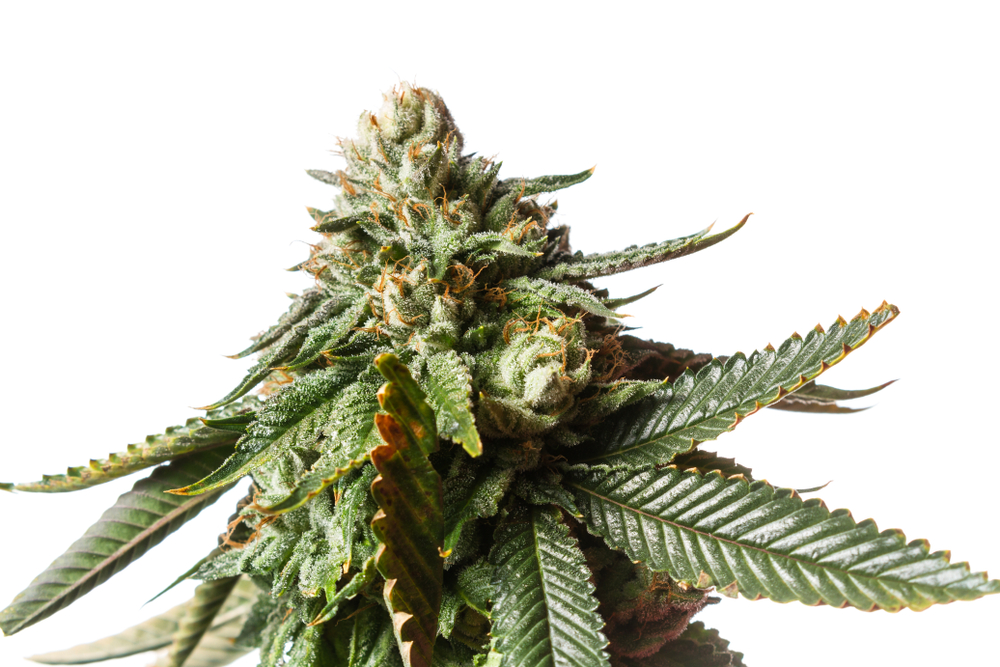
THC tolerance happens when your body becomes accustomed to regular cannabis use, requiring more to feel the same effects. A tolerance break, or “T-break,” helps reset your endocannabinoid system and restore sensitivity to THC. Here’s how tolerance builds, what happens during a T-break, and how long it takes to reset your THC tolerance effectively.
What Is THC Tolerance and Why Does It Matter?
If your favourite strain doesn’t hit like it used to, the primary cause might be THC tolerance. However, before exploring the concept of THC tolerance, let’s look into what THC is.
THC or Tetrahydrocannabinol is a psychoactive compound that is responsible for causing the “high” sensation from cannabis products. And frequent usage of cannabis can lead to increased tolerance of THC, further causing reduced sensitivity. How does the reduced sensitivity work? It simply implies that your brain’s CB1 receptors have become less responsive.
How to mitigate such an issue? It is referred to as a tolerance break or T-break. And this context has grown in popularity among both recreational and medical cannabis users. Throughout this blog, it is the concept of T-break and how it can reset your THC tolerance will be evaluated.
How THC Tolerance Builds in the Body
THC tolerance builds as the body’s endocannabinoid system adapts to repeated exposure by making CB1 (cannabinoid type 1) receptors less sensitive to THC. It achieves that by temporarily decreasing its number. It is this downregulation of CB1 receptors that implies that more THC is needed to achieve the same effect, meaning that available receptors cannot respond as strongly.
This effect can take place due to a few reasons, such as the frequency of use and the potency of the THC consumed. Increased frequency of usage can lead to the impact, as well as the acceleration of THC tolerance, due to the potency of the THC consumed. Repeated consumption can lead to CB1 receptors downregulating, leading to a reduction in both numbers and sensitivity.
Genetics can also be a contributing factor in this, with different people having different levels of tolerance to THC.
To further explore this concept, here’s a chart:
| Factor | Impact on Tolerance | Example |
|---|---|---|
| Frequency of use | Higher frequency → faster tolerance buildup | Daily users develop tolerance quickly |
| THC potency | Higher THC = faster receptor desensitisation | Concentrates increase tolerance faster |
| Consumption method | Edibles cause longer-lasting tolerance | Smoking effects fade quicker |
| Body composition | Fat stores THC longer → slower reset | Higher BMI may extend the T-break duration |
| Genetics & metabolism | Some people metabolise THC faster | Tolerance varies individually |
Table 1: Factors That Influence THC Tolerance
Signs You’ve Built Up a THC Tolerance
So, what are the signs that you have built up a high tolerance to cannabis, specifically THC? Here’s a list of the most common symptoms:
- You need higher doses than before to start feeling high.
- The cannabis effects start to fade quickly.
- You get a reduced feeling of euphoria, and the creativity levels are also not as intense.
- Your sleep cycle has changed, and you are unable to sleep without cannabis.
- When you’re trying to abstain from taking cannabis, you feel irritable or fatigued.
It is important to note that these are natural signs of receptor adaptation. These should not be mistaken for cannabis (THC) dependency.
Now, let’s look into what a T-break is and how it can help manage this increased tolerance.
What Is a T-Break? How Does It Work?
Tolerance break, also known as weed tolerance break or T-break, is a temporary period of abstaining from a substance like cannabis to allow the user to lower the body’s tolerance to it.
This break can help the body’s receptors to reset, allowing the user to achieve the same effects with a smaller amount of the substance when they resume the usage.
Many experts believe that for regular cannabis users, the recommended how long should a tolerance break be is around 21 days, which is the usual time taken for cannabinoids to leave your system.
The Science Behind T-Breaks
So, what is the science behind this? When THC is frequently consumed, it starts binding to CB1 receptors. Additionally, to compensate, the brain can reduce the number of available receptors and their sensitivity, which can be referred to as the process of downregulation.
Then, when you take the tolerance break, you are keeping your body from receiving any external THC. This absence then sort of resets your tolerance. This process is then referred to as upregulation, where your brain begins to increase the number of CB1 receptors, making them more sensitive, and returning them to the pre-use state.
The typical recovery length in this case for regular users can last from 1 week to 3 weeks, and can be less for non-frequent consumers. However, the overall length is still usually dependent on individual factors, such as use frequency, metabolism, and dosage.
Recommended T-Break Durations
Here is a chart that represents the recommended T-break durations based on user type, with a focus on the expected impacts:
| User Type | Recommended T-Break Durations | Expected Effects |
|---|---|---|
| Light (1–2x/week) | 3–5 days | Mild reset, increased sensitivity |
| Moderate (3–5x/week) | 7–10 days | Noticeable improvement |
| Heavy (daily use) | 14–21 days | Full CB1 receptor reset |
Table 2: Recommended T-Break Durations
What Happens During a T-Break
Here is a week-by-week breakdown of what happens during a T-Break:
| Week | Bodily Reactions | Overall Impact |
|---|---|---|
| Week 1: Light (1–2x/week) | Initial irritability, sleep issues, or mild cravings (especially for daily users). | CB1 receptors begin to resurface. |
| Week 2: Mental Clarity and Stabilization | Improved mood, focus, and energy. | Body begins producing natural endocannabinoids again. |
| Week 3+: Reset and Rebalance | Baseline sensitivity returns; THC effects feel stronger post-break. | Often when users report their “first-time high” feeling again. |
Table 3: What Happens During a T-Break
Therefore, over the 1 to 3-week time period of T-Break, the impact of the break on your body will go through a few steps of impact. The first step will start with the basic aspects of irritations and cravings. However, as per the chart, these represent your CB1 receptors resurfacing. Then, your body begins to produce natural endocannabinoids again and develops the “first-time high” once again.
How to Make Your T-Break Easier
If you are looking to make your T-break easier, here are some practical tips to manage withdrawal systems and cravings:
- First and foremost, it is extremely important to stay hydrated and eat nutrient-rich foods.
- You cannot just depend on the diet and your body’s natural reactions; you will have to exercise to release endorphins to naturally stimulate the endocannabinoid systems.
- You should also keep track of your progress by maintaining a journal or installing a tracking app. This way, you can celebrate small victories, giving you a clear sense of the break working.
- You also need to replace the ritual. Such as you need replacement items to manage your cannabis cravings. You can practice mindfulness routines, drink herbal tea, or replace THC strains with CBD strains for the same level of creativity, without the high.
All of these steps can help make your cannabis tolerance break more fruitful, and make your experience less troublesome as your body goes through the withdrawal and recovery processes.
Summing Up: Reset, Refresh, and Rebalance
Tolerance builds naturally, and that can make you somewhat immune to the desired effects of THC. And a T-break can help your body reset, and the moderation can be effective in improving your cannabis experience. It is normal to develop a tolerance and to need the T-break to help your body get the reset it needs. This will be important to your overall well-being.
Need a T-Break? Here’s How It Works!
Whether you’re a casual or daily user, consider taking a T-break to reconnect with your body — and your best cannabis experience. So, if you need a T-break, careful planning can help, and it can ensure that your systems reset and your tolerance returns to the normal state. So, what are you waiting for? Get your break today!
Frequently Asked Questions
Is a Voluntary Tolerance Break Difficult to Maintain?
It can sometimes be difficult to maintain the tolerance break, especially for regular users. In that case, maintaining practices to manage your cravings and considering alternative actions can be the correct steps to take.
Can a Tolerance Break Last Longer Than 3 or 4 Weeks?
It depends on your natural cannabis tolerance, based on naturally occurring factors such as genetics and metabolism. These are aspects that can be placed upon a cannabis tolerance chart as factors that impact tolerance. In these cases, where your tolerance is generally higher than usual, the tolerance break can take more than 3 or 4 weeks.
How Can I Set the Right Goals for a T-break?
Consult with an expert, and you can also focus on activities that help you reduce stress, such as meditation and exercise, or consider distractions, such as listening to music or practicing new hobbies.
Is a Sleep Cycle Necessary to Maintain a T-break?
A proper sleep cycle is important to maintain a T-break. It can help you manage the urges and can reduce side effects from what is essentially quitting cold turkey.