 REVIEWS.io - Rate us to Win Seeds
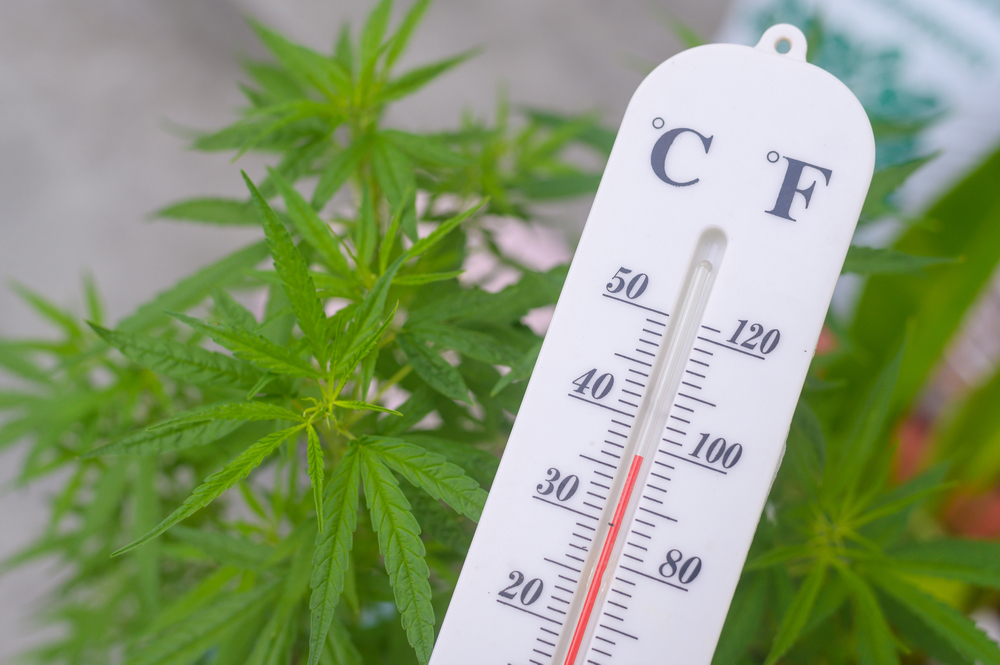
Growing cannabis can often seem like a rewarding endeavour, no matter if you are cultivating for personal use or for commercial purposes. So, if you want the experience to be as rewarding as you wish it would, observing the changing climate can be important. Here’s how you would make that choice accordingly.
How Do Climate Changes Affect Cannabis Seed Growth?
Climate change can affect the growth of cannabis seeds by altering temperature, water availability, and CO2 levels. This can influence generation rates, growth cycles, and the overall health of the plant. Higher temperatures can reduce germination efficiency for some varieties, while in some cases, unpredictable rainfall can lead to drought or flood conditions that can be detrimental to seedlings.
So, what is the best climate for cannabis seeds? And what are the effects of temperature on cannabis seed growth? Let’s look into them:
- Effects of Temperature: Extreme fluctuations of temperature can lead to the disruption of growth and germination. Alternatively, some strains may tolerate higher temperatures, but in any case, above any temperature threshold, cannabis plants experience reduced germination rates.
- Effects of Water and Humidity: Climate change can often lead to more frequent or intense droughts and floods. And both extremes can often be damaging to seedlings, and moisture is a key factor for growth and germination. And low humidity can also cause plants that transpire excessively and cause water stress.
- Effects of Carbon Dioxide (CO2): Also, higher atmospheric CO2 levels can enhance water use efficiency, which may lead to cannabis plants surviving better in drier conditions.
How to Select Cannabis Seeds for Climate Variability
The selection of cannabis seeds for climate variability primarily involves choosing resilient genetics. Genetically, plants such as autoflowering or certain hybrid strains can match the plant’s natural climate origins to your local conditions. So, what are the best cannabis seeds for UK climates?
So, what are the key factors that you need to follow for the selection of seeds? The factors included are:
- Understanding Your Climate: So, identify your local weather patterns, which include average temperatures, humidity levels, growing season length, and the risks of early frosts or even heavy rains.
- Evaluating Growing Conditions: Your decision on whether you will grow indoors or outdoors matters. Indoor growing can offer complete climate control, and it can make a strain’s climate preference a lot less critical than the outdoor conditions, where the plant would be exposed to environmental elements.
Also, here are certain recommended seed types that will thrive based on different climate conditions:
- Autoflowering Seeds: These are suitable for short growing seasons. They flower based on age rather than based on light cycles. They also require a shorter seed-to-harvest time (8-10 weeks), which allows them to mature before the unpredictable autumn weather can set in.
- Hybrid Strains: Modern hybrids can combine the genetics of different parent strains that offer greater adaptability and resilience to various conditions compared to pure sativas or indicas.
- Feminised Photoperiod Seeds: These seeds produce excellent yields and are more sensitive to environmental changes and light cycles. They often require more management. So, choose these if you can control the environment.
Matching Genetics to Specific UK Climates
So, let’s look into the ideal origins of a cannabis strain’s genetics that can be a strong indicator of its preferred climate in the UK:
Cool and Damp Climate
Genetics: Indica-dominant strains originate from mountainous regions like the Hindu Kush, implying that they are suited to the cool climate, and have a generally short, bushy structure and a shorter flowering time.
Features: These strains are often characterised by natural resistance to mould and disease, and are fast-flowering.
Examples: Early Skunk, Northern Lights.
Warm and Sunnier Climates
Genetics: Sativa-dominant strains, which are from tropical areas such as Southeast Asia and South America, and are usually tall and slender with airier bud structures.
Features: They are tolerant of the warm and sunny climate, and are okay with heat and drought, and have a longer flowering period.
Examples: Amnesia Haze, Super Silver Haze, Acapulco Gold.
There are certain other strains that may be tolerant of other climate conditions, such as wet climates or humid climates. And based on the prevalent weather conditions in locations, the genetics of the cannabis strains can be considered.
Key Considerations for Choosing Seeds Based on Climate
Having discussed how climate considerations impact the choice of cannabis seeds, let’s now look into the basic considerations that are important when it comes to the choice of seeds based on the climate. Here is the key list of considerations to ensure:
Understanding the Local Climate
The local and regional conditions are critical to the growth of specific strains, instead of focusing on a general climate zone. Thus, focusing on the short-season climate as well is crucial, other than just focusing on the long-season climate.
You also need to pay attention to aspects such as typical temperature ranges (day and night), humidity levels, average rainfall, as well as the overall length of the growing season.
Prioritising Fast-Flowering Strains
As the weather has become more unpredictable, the flowering speed has become more crucial, to keep up with the short-season climate. And in this context:
- Autoflowering varieties are flowering based on age and not light cycles, and often have a shorter seed-to-harvest time, and it makes them a safe choice for areas of unpredictable or limited summers.
- Early or fast photoperiod strains also have a reduced flowering time, and can be harvested before the bad weather can set in, which is especially true for northern regions.
Selection for Resilience
You should look for strains that are specifically known for their robustness and natural resistance to the common problems that are associated with climate shifts. Based on that:
- In areas with an exceedingly humid climate or unexpected rain during the late summer months, you should choose varieties with an open and airy bud structure that allows for better air circulation or those specifically bred for mould resistance.
- Also, indica-dominant strains often originate from mountainous and cooler regions, and are well-equipped to deal with colder temperatures. Meanwhile, sativa strains thrive in warm and wet climates.
Utilising Hybrids
Modern breeding has created a vast array of hybrid strains that can combine the best of both sativa and indica genetics and offer adaptability to fluctuating conditions. These can also be good middle-ground solutions to unpredictable long-season climate.
Final Thoughts
With the global climate changing, there are different factors to focus on for selecting the most suitable cannabis seeds that can thrive in different climate conditions. Some seeds are better suited to warmer temperatures, while others are a better fit for cooler temperatures. Thus, the accurate selection of seeds should strictly adhere to changing climate conditions.
Selecting Cannabis Seeds? Here’s How to Make a Climate-based Choice
Are you looking to become a cannabis grower? Choose your seeds based on the climate conditions in the UK! Focus on the temporary climate conditions as well, and you’ll earn the best results.
Frequently Asked Questions
Are Cannabis Seeds Suited for Warm Climates Also Suitable for the Humid Surroundings?
That is not always the case. Some seeds are suitable for warm and dry climates. These cannot be suited to more humid surroundings, as a humid environment will be detrimental to their growth.
Is the UK Climate Generally Suited to Cannabis Growth?
The UK climate can be suitable for certain cannabis strains. However, the current climate conditions in the UK can vary, and the varying conditions can impact the steps taken by the growers.
Are Hybrid Strains Generally Better Adapted to Varying Weather Conditions?
Hybrid strains are known to be able to combine the genetic traits of different pure strains, which includes their ability to adapt to weather conditions. Thus, hybrid strains can generally adapt to different climate conditions.
Do the Current Weather Conditions in the Uk Suit Only Fast-growing Seed Variants?
This is not necessarily the prevalent condition. But fast-growing seed variants thrive in the current climate conditions of the UK, especially due to climate conditions being unstable.