 REVIEWS.io - Rate us to Win Seeds
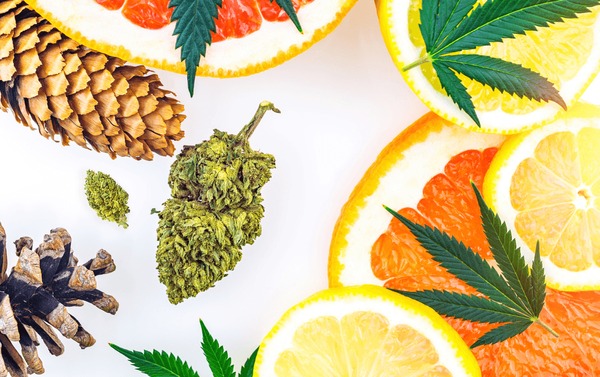
Terpenes refer to a group of organic aromatic compounds with a general chemical structure, consisting of 5 carbon atoms. This blog will delve into several scientific aspects of cannabis terpenes and explore the future of terpene research.
Terpenes are some of the key secondary metabolites, playing a major role in securing plant ecology from harmful insects, as well as managing the interactions between plants and other organisms. They consist of distinct and different flavours and aromas, and are found in multiple aromatic plants and influence fruit taste on a significant scale. Due to their aroma, flavour, and long-term therapeutic effects, they’re getting attention from the global research community. However, the entourage effect of cannabinoids significantly influences their activity and the overall positive outcomes.
Terpenes in Cannabis vs. Other Plants: Lavender, Citrus and Pine
Take a look at the table for better understanding:
| Terpenes in Cannabis |
|
| Terpenes in Lavender |
|
| Terpenes in Citrus |
|
| Terpenes in Pine |
|
Table: Showcasing terpenes characteristics in different plants
The Science of Terpenes in Cannabis
Now that we have gained a basic understanding of how terpenes in cannabis differ from other plants, it is time to gain comprehension about the science behind the mechanism:
Terpenes Interaction With the Endocannabinoid System
Terpenes interact with the ECS or endocannabinoid system through several receptors, like CB2 or CB, while the entourage effect influences cannabinoids’ chemical activities. It leads to therapeutic effects, including decreasing inflammation and pain, and regulating mood.
Role in Enhancing or Modifying the Effects of THC and CBD
Cannabis terpenes directly interact with several cannabinoids, such as CBD and THC. In this regard, they develop a synergistic effect (entourage effect), which means they can highly modify the effect of cannabis on one’s body. For example, two or three strains might have an equal amount of THC, which means that while one might feel energising, another might experience sedation.
Differences Between Strain Profiles
Different strain profiles, having energizing vs. calming impacts, are highly determined based on THC and CBD of cannabinoids, and other terpenes, such as limonene, which boosts mood, and myrcene, responsible for calmness.
For example, the strains of Indica are associated with relaxing effects as they contain more CBD, while the strains of Sativa uplift or energise effects, driven by higher amounts of THC.
The Most Common Cannabis Terpenes and Their Effects
Here, you can find some most common cannabis terpenes and their effects and strains.
| Terpene | Aroma / Flavor | Common Effects | Common Strains |
|---|---|---|---|
| Mycene | Earthy, musky, cloves, herbal | Relaxing, “couch-lock” effect, sedative. |
|
| Lemonene | Citrus (lemon, orange) | Uplifting, mood elevation, stress relief. |
|
| Caryophyllene | Spicy, peppery, woody | Anti-inflammatory, stress reduction, and pain relief. |
|
| Pinene | Pine, fresh, herbal | Alertness, bronchodilator and memory retention. |
|
| Ocimene | Sweet, citrusy, woody | Uplifting, anti-fungal, anti-inflammatory. |
|
| Nerolidol | Woody, floral, citrusy | Sedating, potentially antifungal and relaxing. |
|
Table: Common Cannabis Terpenes and Their Effects
Terpenes and Personalisation of Cannabis Experiences
A better cannabis experience comes from a thorough understanding of terpenes.
Choosing Strains Based on Terpene Profile Rather Than THC/CBD Alone
Choosing different strains, based on terpene profiles, instead of considering CBD or THC, is essential, as terpenes widely influence the cannabis experience based on the entourage effect, creating unique aromas, flavors and therapeutic properties. If you consider and rely on terpene data, it provides a personalised and predictable path, and it can move beyond the trial-and-error of THC.
Terpenes Guiding Therapeutic Cannabis Use
Terpenes, as aromatic compounds, influence both therapeutic impacts and flavour. For example, Myrcene, with its sedative properties, plays a key role in sleep support programmes, while the optimal use of caryophyllene can reduce inflammation and pain, interacting uniquely with CB2 receptors. On the other hand, pinene and limonene provide long-term energising and uplifting effects, improving focus and creativity.
With a clear understanding of different terpene profiles, consumers can properly select multiple strains, matching their requirements, which eventually makes cannabis therapy more personalised and effective for stress and pain relief, as well as creative enhancement.
Terpenes in Concentrates and Infused Products
Terpenes play a key role in securing the therapeutic outcomes of cannabis, as well as its flavours.
- Vape oils empower strain-based terpene blends, which further enhance entourage impacts, developing nearly an experience of using a flower.
- On the other hand, the retention of terpene not only enhances taste but also improves the quality and effects on a significant scale. For example, limonene is effective in uplifting mood in gummies, while linalool provides a calming relief in tincture.
- Rosins and live rosins are considered to secure terpene profiles, providing authentic aroma and several targeted effects.
- A well-researched and planned terpene inclusion secures concentrates and multiple infused products, which remain flavorful, therapeutically reliable and effective.
What Lies in the Future of Cannabis Terpene Research?
- You can find an increasing interest in several isolated terpenes, because of the diverse therapeutic efficiency, which includes antioxidant, antimicrobial and anti-inflammatory properties. These are widely explored for several wellness and clinical applications, such as cancer treatment and enhancing the impact of therapies.
- Researchers investigate specific types of terpenes and how these products can be used in the drug and pharmaceutical industry, based on clinical applications. It needs a wide range of studies on different isolated compounds, as well as their effects when combined with other molecules.
- Beyond their role in flavour and creating aroma, cannabis terpenes are highly recognised for contributing to the entourage effect, modulating or empowering cannabinoid activities. Several emerging studies show potential applications in medical requirements, including neuroprotection, while the advanced analytical techniques, such as genomics and metabolomics, are expected to explore the biosynthesis and interactions of terpenes to optimise cannabis-based therapies.
- Lastly, personalised medicine programmes can integrate the profiles of different terpenes to improve cannabis-focused therapies. As the legalisation of cannabis is globally observed, the research and development programmes, based on cannabis terpenes, are expected to drive new innovations in agriculture and pharmaceuticals.
Want to know more about cannabis terpenes and their utility? Check our website for top marijuana strains, cannabis seeds filter, cannabis brands and new strains.
Summary
The terpenes of cannabis are a key product of secondary metabolism, and their different impact, based on multiple strains, have been crucial in generating multiple opportunities in clinical research and treatment. The entourage effect not only influences the aroma and flavour, but it also enhances the overall impact of cannabinoids on a significant scale. The research on the terpenes of cannabis focuses on their medicinal potential, leading to clinical applications and personalised cannabis experiences.
Frequently Asked Questions
Can Terpenes Be Used Beyond Using Cannabis for Recreational Purposes?
Yes. Cannabis terpenes are highly used in aromatherapy, edible oils, topicals and several products, while they are beneficial in stress-removing programmes and ensuring effective sleep cycles.
Can Cannabis Terpenes Determine the Medicinal Advantages of Cannabis Strains?
Well, to be honest, partly. Terpenes shape the therapeutic outcomes of cannabinoids. For example, limonene improves mood and myrcene ensures relaxation.
How Can Consumers of Different Ages Safely Use Terpenes?
Consumers can have cannabis terpenes through an infused product or cannabis flower. But terpene extracts must be used with care and caution. Remember, it must be diluted.
How Can I Increase Cannabis Terpenes?
You need proper humidity, light and effective nutrient levels, while Low-Stress Training (LST) can significantly increase the production of terpene.