 REVIEWS.io - Rate us to Win Seeds
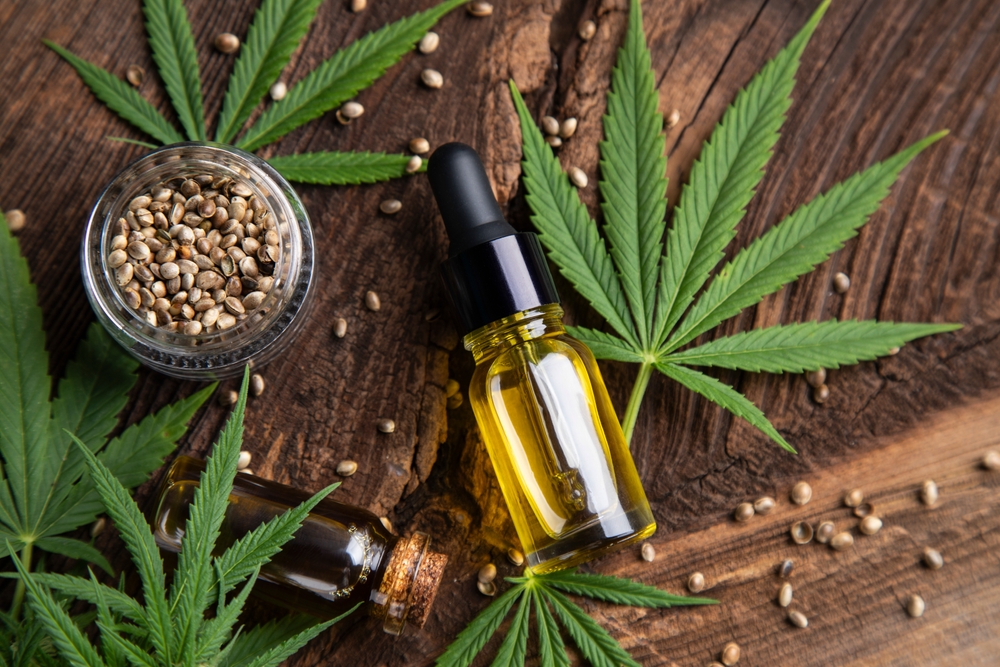
Cannabis oil (cannaoil) is a cannabis-infused oil, incorporating cannabinoids, like CBD and THC. It is infused into a carrier oil and used in creating canna-products, easy to use in wellness or recipes. The potency of cannabis oil is influenced by the strength of the flower you consider. But how to cook cannabis oil at home? Here, we explore the key requirements and processes relevant to cannabis oil preparation.
Since 2018, as cannabis oil in the UK received a legal status, it has gained popularity for medical purposes. It is made from hemp for the high CBD levels or marijuana for a high THC content. The marijuana-derived cannabis oil in the UK is mostly used for its psychoactive effects, while the hemp oils are widely used in preparing wellness products. Categorised into cannabidiol (CBD) or tetrahydrocannabinol (THC) dominant varieties, cannaoil is used under controlled measures.
Now the question is how to make oil from cannabis? Does it involve complex processes or need any hard-to-find ingredients? Let’s find out.
What Are the Differences Between THC and CBD Canna-oils?
Based on their concentration, cannaoil is described, referring to the amount of THC and CBD in per milliliter. So, it is important to have a clear idea about their medicinal applications and different effects.
THC oil is widely popular for the psychoactive effects, as THC influences serotonin and dopamine neurotransmitters in the brain. It is used to manage nausea, pain, and insomnia, despite some side effects like dry mouth, paranoia, and dizziness. Its effects also include relaxation, euphoria, and increased appetite. In contrast to this, CBD works with the endocannabinoid system, and CBD oil is used to treat depression, anxiety, and epilepsy. However, it causes some side effects, such as fatigue, nausea, or irritability.
| Types of Cannabis Oil | Description |
|---|---|
| Pure CBD | Derived from hemp; more than 98% CBD |
| CBD Dominant | CBD with some amount of THC |
| THC Dominant | THC with some amount of CBD |
| Pure THC | Derived from marijuana; More than 98% THC |
| Balanced | THC: CBD = 1:1 |
Table 1: Types of Cannabis Oil
THC Oil Recipe: What Do You Need, and How to Prepare?
Find the key ingredients, tools, and steps to follow, need for the THC oil recipe.
Ingredients
- 7-10 grams of Decarboxylated, high-THC strain marijuana flower: 8-10 g.
- Olive or coconut oil (choose as you like): 1 cup.
Key Tools
- Baking tray
- A slow cooker or double boiler.
- Parchment paper
- Fine mesh strainer or cheesecloth
- Glass jar (Use an airtight lid)
Steps to Follow
Once you find the tools and ingredients, follow these steps to produce the best quality THC oil.
Cannabis Decarboxylation
- Make sure to preheat your oven to 110°C.
- Now spread the weed on a parchment paper, placed on the baking tray.
- Bake for up to 45 minutes with stirring to activate the THC
Combine All the Ingredients
- Mix the decarboxylated marijuana with olive or coconut oil, and put the mixture in a slow cooker or a double boiler.
- Be careful, as the temperature should be below 90°C when heating for 2-3 hours.
- Stir the mixture occasionally to ensure an even infusion.
Strain the Oil
- Now you need a cheesecloth or fine mesh strainer to remove the plant material.
- Put the strained THC oil in a glass jar and do not forget to cover it with an airtight lid.
Storage
- To secure the flavour and potency, keep the oil in a dark and cool place.
CBD Oil Recipe: How to Make CBD-based Cannabis Oil from Weed, and What to Follow?
Here are the key ingredients and tools you need to make CBD-based cannabis oil, and the steps you need to follow to get the best result.
Key Ingredients
- Decarboxylated, high-CBD hemp flower: 8-10 g
- MCT, olive, or grapeseed oil: 1 cup.
Relevant Tools
- Baking tray
- A slow cooker or saucepan.
- Cheesecloth
- Glass jar, along with an airtight lid
- Parchment paper
Steps to Follow
Follow these steps to get the most effective CBD-based non-psychoactive oil for multiple wellness purposes, such as anxiety management and pain relief.
Decarboxylate Your Hemp
- First, preheat your oven to 110°C.
- Place the hemp on the baking tray, covered with parchment paper.
- Bake up to 45 minutes (Ideal baking time: 30-45 minutes).
Combine All the Ingredients
- Mix the carrier oil (MCT, olive oil, or grapeseed oil) with the decarboxylated hemp.
- Place the mixture in a saucepan or slow cooker.
- Make sure that you keep the heat under control (keep it below 90°C).
- Scorching might be an issue. Keep stirring to avoid it.
Strain the Oil
- Use a cheesecloth property to get rid of the plant material.
- Put the strained cannabis oil in a glass jar with an airtight lid.
Storing
- Keep the jar in a dark, cool place to secure its quality for effective use.
| Factors | THC Oil | CBD Oil |
|---|---|---|
| Flower Type | High-THC strain of marijuana. | CBD-based hemp. |
| Effects | Psychoactive effects | Non-intoxicating |
| Use | Recreational and edible | Therapeutic and wellness values |
Table 2: Key Differences Between the THC and CBD Recipes
Common Uses of Cannabis Oil
Here are the most common uses of cannabis oil in the UK.
Anxiety
CBD oil reduces anxiety and related symptoms, as well as PTSD and social anxiety challenges. Compared to THC oil, it is more effective in reducing anxiety, since high doses of THC may enhance anxiety.
Pain Relief
THC oil, compared to CBD oil, is more effective in reducing chronic pain issues, such as arthritis, neuropathic pain, and multiple sclerosis. It is also useful in managing pain related to cancer-based treatments.
Sleep
Troubled sleep cycle? Both CBD and THC oils can improve sleep quality by reducing issues regarding insomnia (CBD oil) and sleep apnoea (THC oil).
Inflammation and Neurological Conditions
Cannaoil in the UK is popularly used to reduce inflammation, helping to deal with conditions like inflammatory bowel disorder and heart disease. However, the neuroprotective properties are effective in aiding epilepsy and Alzheimer’s disease.
Appetite Stimulation
THC enhances appetite, which is a key driving factor for patients undergoing chemotherapy or issues regarding weight loss.
Final Thoughts
So, if you think preparing cannabis oil at home is difficult, you might want to give it a second thought. Gather the ingredients and tools, and prepare the mix as per your requirements (CBD or THC-based oil). Moreover, use it consciously, and be aware of the consequences.
If you are using cannabis oil for therapeutic purposes, take suggestions from professionals.
Frequently Asked Questions
Is There Any Other Way to Produce THC Oil?
Well, yes. You can follow the double-boiler or the mason jar method. With the double boiler method, you need to ensure even heat, reducing the risks of burning. On the other hand, in the mason jar method, you need to combine the carrier oil with marijuana, and put the jar in a hot water to keep the smell contained.
How Should I Use Cannabis Oil and How Much?
You can use it sublingually (under the tongue) for quick absorption, or add it to drinks or food to experience long-term effects. However, the dosage varies widely. So, start low and go slow, since the effects depend on individual biology and concentration.
Which One Will Be Better to Choose – CBD Oil or THC Oil?
First, know your requirements. If you are looking for a psychoactive experience, use THC oil, but if you’re looking for pain relief or any other medicinal use.
What Are the Benefits of Balanced CBD Oil?
Balanced CBD oil can empower a gentle, plant-based harmony in everyday life, supporting pain relief, balance and overall wellbeing.