 REVIEWS.io - Rate us to Win Seeds
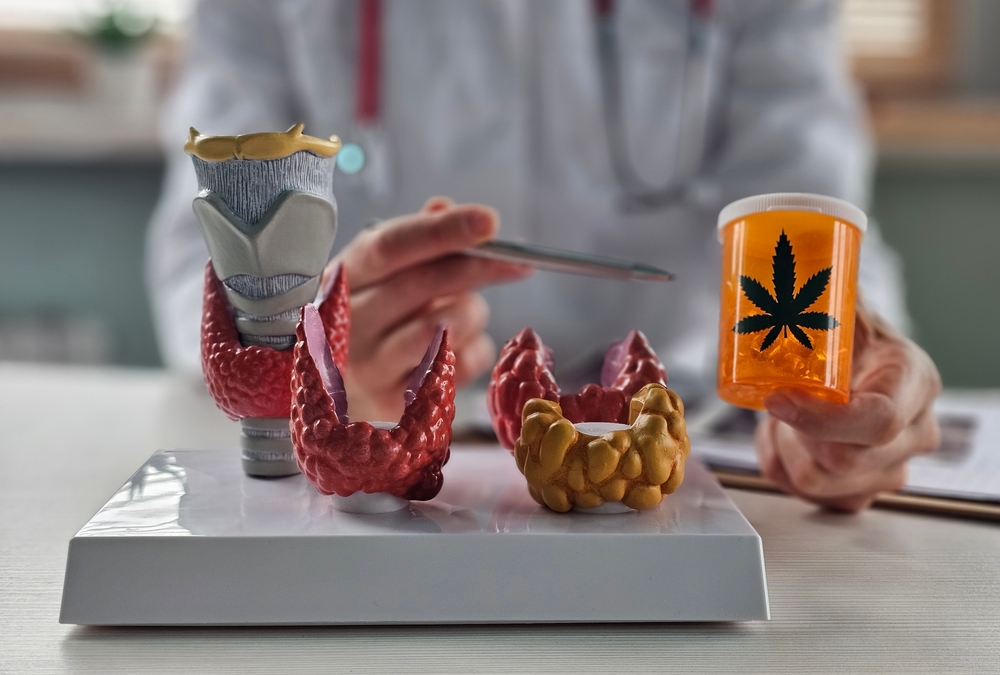
Hormone research has expanded massively because of the popularity of different cannabis-based products. More people have leaned towards cannabis products to regulate overall stress and improve sleep quality. However, the research regarding the interaction of cannabinoids with hormones is still ongoing. Therefore, people should not consider the research findings as medical advice.
Now, let’s understand what are some of the new research insights about hormonal interaction with cannabinoids.
The Endocannabinoid System (ECS) and Its Role in Hormonal Regulation
Cannabis impacts every system of our body, including our hormones. Hormones influence multiple physical functions, including blood sugar, growth, reproductive function, and mood. Hormones are secreted from the glands of the endocrine system, which coordinates with the Endocannabinoid System (ECS). Here in the ECS determines how our body reacts to the functions of cannabinoids.
The Basics of ECS
There are some basic parts of the ECS, which include:
- Endocannabinoids: These are the messengers of the ECS, which influence factors such as appetite, memory, pregnancy, mood, and cardiovascular health. Two of the most important endocannabinoids include Anandamide (AEA) and 2-arachidonoylglycerol (2-AG).
- Receptors: The ECS contains the receptors to which cannabinoids like THC or CBD can interact. Our body has different types of receptors. However, two of them, CB1 and CB2, are the most important to understand how cannabis affects the body. Both THC and CBD bind these receptors, and through this binding, cannabis interacts with the hormones.
- Enzymes: These help with breaking down the cannabinoids and endocannabinoids. Fatty Acid Amide Hydrolase (FAAH) and Monoacylglycerol Acid Lipase (MAGL) are two of the important Enzymes.
How ECS Communicates with the Endocrine System
A crucial place where cannabis and hormones interact is the Hypothalamus-pituitary-gonadal (HPG Axis). This axis also regulates the reproductive functions as well as modulating hormones and their effects in the body.
Cannabis and female hormones also come in close contact here. Here, THC, one of the key cannabinoids found in the cannabis strains, contributes indirectly to reducing the release of the Gonadotropin-releasing hormone (GnRH). GnRH stimulates the pituitary to release the Luteinizing Hormone (LH) and Follicle-Stimulating Hormone (FSH). These hormones are critical for females because they affect the ovarian functions and regulate menstrual cycles. THC and hormones like GnRH can also affect the functions of reproductive factors in males, like sperm and testosterone management.
Cannabinoids and Stress Hormones (Cortisol & Adrenal Activity)
The hypothalamus-pituitary-adrenal axis (HPA) is the main pathway through which the body can first react to stress. From the hypothalamus, the adrenocorticotropic hormone (ACTH) is released, which prompts the adrenal glands to release cortisol into the bloodstream. Cortisol functions as the main stress hormone. Plus, it works to control blood sugar levels, decreases inflammation, and regulates blood sugar.
What New Research Suggests
Cannabinoids such as THC often bind to ECS receptors such as CB1 and CB2 receptors. Hence, THC can influence the cortisol release through CB1 receptors in the brain. It is the CB1 that causes the relaxing ‘high’. THC can also help to bind with CB1 receptors in the spinal nerve to provide pain relief.
| User Type | Best Gift Categories | Why It Works |
|---|---|---|
| Beginners | Low-dose edibles, CBD products, disposable vapes, mild pre-rolls | Gentle introduction, easy to control |
| Intermediate | Balanced edibles, portable vapourisers, quality flower | Moderate potency, flavour exploration |
| Experienced Users | Concentrates, craft flower, premium vapes, custom glass | Appreciates potency & quality |
| Anyone | Storage, accessories, apparel | Non-intoxicating, universally appreciated |
Table: Cannabinoids & Stress Hormone Research Findings
Cannabinoids and Sleep Hormones (Melatonin & Circadian Rhythm)
Cannabinoids like CBD help with sleeplessness and people experiencing anxiety. CBD and hormone balance are closely related, as this cannabinoid helps to reduce all these symptoms. Here is how cannabinoids can influence the sleep cycle:
How Cannabinoids May Influence Sleep-Wake Cycles
Disturbed sleep can make a detrimental impact on hormone levels and compromise overall health. CBD helps in relaxing. Cannabinoids like CBD help in elevating the quality of sleep. One of the key hormones which is involved in sleep regulation is melatonin. Research suggests that CBD may influence Melatonin production, encouraging improved sleep quality.
What Scientists Are Still Exploring
Researchers are still exploring the relation between CBD and hormones that regulate the circadian rhythm and sleep-wake cycles. In research conducted on rats, cannabinoids such as CBD have been shown to increase total sleep percentage with mid to high dosages. The REM sleep latency is dependent on the dosage intensity, which is still under research.
Cannabinoids and Appetite & Metabolic Hormones (Ghrelin, Leptin, Insulin)
Cannabinoids such as THC have a significant influence on regulating appetite and metabolic hormones. THC is very well-known to be associated with appetite stimulation.
Appetite Regulation
As early research confirmed, the THC ingredients of cannabis strains can generate the sensation of hunger in the body. By consumption of THC, hormones like Ghrelin are released, which in turn sends the signal to the brain, increasing the sensation of hunger.
THC is also actively responsible for releasing hormones like Leptin, which acts as a deterrent for the rise in appetite. These hormones send signals to the brain, giving signals to feel full.
Metabolic Effects
There are multiple studies that suggest that cannabinoids such as CBD can improve insulin sensitivity. Conversely, the activation of the CB1 receptor of ECS is associated with insulin resistance, especially in the liver. Cannabinoids can promote the ‘browning’ of the white fat cells, where they are transformed into a more metabolic version of active brown adipocytes. These ‘brown’ fat cells can burn energy to generate heat rather than accumulating it as fat.
Cannabinoids and Reproductive Hormones
Cannabinoids present in the cannabis strains also interfere with human hormones. Alongside known cannabinoids such as CBD and THC, lesser-known cannabinoids such as Cannabigerol (CBG) and Cannabichromene (CBC) are crucial for regulating reproductive hormones in the body.
Interaction with Estrogen & Progesterone
During the reproductive phase, women experience sudden hormonal swings. Difficulties such as menopause, PCOS, and PMS can arise as a result of hormonal disruption. According to modern research, Cannabinoids like CBD and hormones associated with reproductive health have deeper connections.
For instance, CBD can potentially affect the Gonadotropin-releasing hormone (GnRH), which is a crucial regulator of the menstrual cycle among women. According to a 2022 study, it has been established that CBD can help to deal with estrogen deficiency, which is the main cause of menopausal symptoms. Before this, there have been many other anecdotal pieces of evidence which supported this fact.
Another lesser-known cannabinoid, CBG, has also played a notable role in interacting with estrogen and progesterone functions. CBG has been shown to modulate the estrogen receptor alpha (ER) and progesterone receptor (PR). There has also been interaction between CBG and hormones like LH and FSH.
Interaction with Testosterone
In addition, there is a negative effect of cannabinoids like THC and CBC on hormones like Testosterone, as it has been shown to significantly reduce testosterone levels by interacting with its production in the testes. To confirm this even more, studies have shown a 30% reduction in the sperm count in men who consume marijuana more than once a week.
Factors That Influence How Cannabinoids Affect Hormones
Several factors influence how Cannabinoids can affect hormones in the human body. These factors include:
1. Dosage
Dosages of cannabis show different effects on the hormonal levels in the body. In the research too, dosages are cannabis consumption are recorded to get varied results.
2. Frequency of Use
How you use cannabis and the frequency of consumption also have a significant effect on metabolism and absorption of the cannabinoid content. For example, with chronic use, cannabis can affect testosterone levels.
3. Individual Biology
Since every individual’s body reacts differently to cannabis, biological functions play a significant role in maintaining cannabis engagement in the body. In the case of ECS, there are genetic differences among every individual, which can lead to different outcomes. That is why the research regarding the impact of cannabinoids.
Final Words
The interaction between cannabinoids and hormones is something that is still under research, and it changes the dynamics. Therefore, growing research suggests that meaningful interactions between hormones and cannabinoids can influence stress and sleep, and metabolic and reproductive pathways can affect overall health massively. Readers should stay informed and consult professionals before making personal health decisions.
Choose Cannabis Strains Considering Your Biological Profile
Looking to pick cannabis strains? Consider your personal biological profile before opting for the right cannabis strains.
Frequently Asked Questions
Are the Hormonal Effects of Cannabinoids Permanent?
Many of the hormonal effects caused by chronic cannabis usage can be reversible upon cessation of use. Hormonal function and fertility can return after stopping long-term consumption.
Can Cannabis Strains Impact Growth Hormone Levels?
Yes, studies have shown that THC can often suppress the growth hormone levels. This indicates the need for controlled consumption.
Lorem ipsum dolor sit amet, consectetur adipiscing elit. Ut elit tellus, luctus nec ullamcorper mattis, pulvinar dapibus leo.
Will the Cannabinoid-hormone Interaction Be the Same for a Man and a Woman?
Not at all. Sex is one of the most crucial factors influencing how a person’s ECS and hormonal system respond to cannabinoids.