 REVIEWS.io - Rate us to Win Seeds
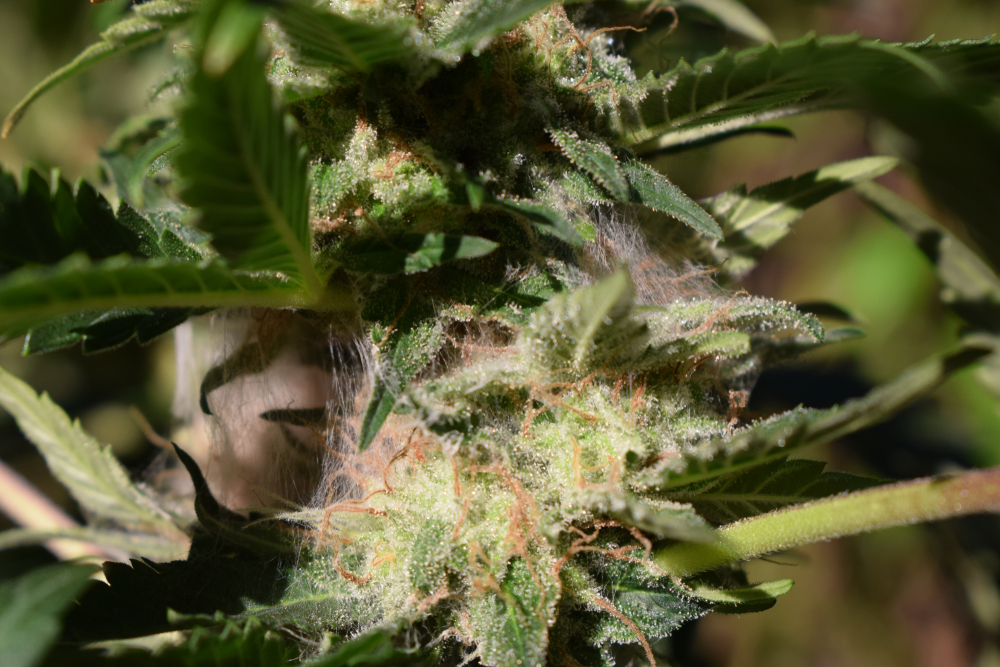
Since many growers, both new and experienced, overlook the early cannabis bud rot signs, they become a threat to the quality, safety, and yield. Bud rot on the weed affects strains and production quality, leading to limited to no impact when consumed.
Botrytis cinerea, commonly known as gray mould or bud rot, is a fungal pathogen that affects cannabis plants on a significant scale. It grows in certain natural conditions, such as low airflow and high humidity, and affects the overall growth of plants. Research shows gray mould can destroy cannabis inflorescences rapidly under humid conditions, more than 70%, and moderate temperatures, ranging between 17 and 24-degree-celcius. But can you prevent bud rot before it affects the crop and reduces production? What must you be aware of? No hurry, let us give you a comprehensive guide.
| Issue | Main Cause | Appearance | Spread Speed | Notes |
|---|---|---|---|---|
| Bud Rot (Botrytis) | Fungal infection | Grey/brown mush inside buds | Fast | Often starts inside, hard to detect early |
| Powdery Mildew | Surface fungus | White powder coating leaves | Medium | Affects leaves more than buds |
| Root Rot | Overwatering/poor drainage | Wilting, yellowing | Slow–Medium | Affects roots, not buds |
Table 1: Quick Overview: Bud Rot vs. Other Common Flower Issues
What Causes Bud Rot?
Here are some reasons that cause bud rot and affect the quantity and quality of production.
Excess Humidity
High humidity fosters fungal spores to thrive, which affects the production scale and quality. Bud rots thrive in high-humidity conditions (more than 60%), and the moisture provides a better condition for fungal spores to germinate and spread. Moreover, bud rot on weed is caused by to dense flower trap, capturing moisture internally, affecting the light cycle of cannabis.
Poor Air Circulation
The lack of ventilation in greenhouses, grow rooms, or outdoor spaces causes stagnant air around plants. It easily traps moisture within the plant canopy and develops ideal conditions for fungal growth. However, overcrowded plants exacerbate the issue by limiting airflow, leading to a wet microclimate. You can use clip-on fans and inline duct fans to vent out humid, warm air and keep a spontaneous air circulation.
Temperature Swings
The cold and humid environment causes fungal growth, affecting the collective growth of cannabis due to bud rot on dry weed. The constant change of temperature or below 17-degree-celcius fosters a key risk of fungal growth. Since cannabis transpires to regulate the temperature, it cools down, causing high-density moisture inside the buds, which further leads to mould growth.
Handling, Stress, and Physical Damage
Stressed or weak plants are more susceptible to infections, including nutrient deficiencies, underwatering, and overwatering or physical damage. However, damaged plant tissues from mechanical or pest challenges can create a high opportunity for fungal spores.
Warning Signs of Cannabis Bud Rot
Here are some of the early signs of weed bud rot, based on which you can prevent further challenges and ensure a reliable and useful production.
Early Cannabis Bud Rot Signs
At the very early stage of cannabis bud rot, you can find slight discolouration inside buds. You can observe three deformed colours, including brown, grey, and dull green. However, you may also find damp or soft spots that do not dry with time, and leaves around affected cannabis buds turn yellow prematurely.
Moderate Stage Symptoms
At the moderate stage of weed bud rot, you can find mushy or brittle buds, as well as larger patches. An unpleasant, distinct, and musty odour becomes obvious at this stage, as the fungal growth increases. The fan leaves and sugar leaves attached to the infected bud site turn brown or yellow, which can easily be pulled out. Lastly, you can find fuzzy mould, grayish-white, spider web-like fungal mass threads on the surface of the affected buds.
Advanced Stage Signs
At the final stage, the entire plant sections become dry and crumble, as spores spread from one bud to nearby flowers. Moreover, the rotting may also affect the stem as well, and the rotting stems can be identified by their grey and mushy appearance.
| Stage | Visible Symptoms | Severity | Action Needed |
|---|---|---|---|
| Early | Dull discoloration, soft spots | Low | Inspect the entire plant |
| Mid | Mould fuzz, wilting leaves near buds | Medium | Remove affected areas safely |
| Advanced | Crumbly brown buds, widespread mould | High | Prevent contamination of remaining flowers |
Table 2: Cannabis Bud Rot Signs by Stage
How to Prevent Bud Rot: Essential Prevention Strategies
Since bud rot has been a key threat to cannabis production and growth, it is essential to incorporate some prevention strategies before it’s too late. Here are some cannabis bud rot prevention measures and strategies to experience quality yield.
Manage Humidity & Airflow
As humidity and airflow are two crucial factors for not only the healthy growth of cannabis, but also for fungal growth, make sure you control humidity, depending on the growth stage. In this regard, you can use a hygrometer to track the level of humidity in the greenhouse or grow room to make adequate changes and adjustments. However, to prevent cannabis bud rot, you also need to ensure balanced and consistent airflow to secure a better natural condition for cannabis and prevent fungal invasion.
Increase Plant Spacing
For better plant spacing, you can incorporate the Screen of Green (ScrOG) method, involving the use of a mesh of screen to train some plants to grow horizontally. On the other hand, the low-stress training (LST) involves tying down branches and gentle blending during the vegetative stage for lateral growth, ensuring that each part of the plants receives sufficient airflow and light.
You also need to use larger pots for extensive root development, supporting bigger plants, which need more space. Lastly, reduce the number of plants, but rather use well-trained and large plants to provide more space and light.
Inspect Regularly
Remember, visual monitoring is important to protect the plants from fungal damage. It is more important in cases of dense flowers, which can easily attract moisture and develop fungal spores if not checked regularly. Weekly or daily regulation is ideal to ensure the proper growth of cannabis plants. However, the regular inspection is also advantageous to identify early signs of bud rot on weed, and take cannabis prevention strategies as per requirement.
Manage Temperature
You can use a combination of a hygrometer and a thermometer to track the temperature of the grow area, especially close to the plant canopy. You can also use fans to move air around the plants, distributing heat and preventing hot spots. However, if temperatures are consistently high, you can use an air conditioning unit to provide precise cooling. LED lights can also be placed in the grow room to maintain a reliable temperature.
| Prevention Type | Examples | Why It Helps |
|---|---|---|
| Environmental Control | Humidity management, airflow | Reduces fungal growth conditions |
| Cleanliness | Sanitizing tools, removing debris | Eliminates spore sources |
| Handling Practices | Inspecting buds, avoiding touching wet plants | Minimises spread |
| Post-Harvest Care | Controlled drying/storage | Prevents bud rot on dry weed |
Table 3: Prevention Summary: Environmental vs. Handling Practices
Summary
The lack of knowledge regarding plant management in cannabis affects the production scale, as well as the quality. Excessive humidity, lack of air circulation and fluctuating temperature are the key reasons behind the fungal issues caused by Botrytis cinerea. However, based on a musty odour and deformed colours, you can detect the fungal invasion and take action before it’s too late. Manage air circulation and humidity as per requirements, and increase plant spacing to ensure proper light and air. Maintain the temperature of the grow house to prevent cross-contamination and quality issues.
Frequently Asked Questions
Does Cross-contamination Cause Cannabis Bud Rot?
Yes, cross-contamination is a common threat, spreading bud rot. The microscopic spores, produced by bud rot, can easily be transferred from an infected area to a healthy one through tools, clothing, hands, or air circulation.
Does the Grow House Environment Matter in Developing Bud Rot?
Yes, it does. Decaying plant matter, dust and standing moisture led to the fungal invasion to plants, affecting the production and quality. Keep the grow house clean and disinfected to reduce the fungal risks.
Is the Post-harvest Prevention Plan Effective in Tackling the Fungal Challenges?
Yes, it is. In this case, you need to avoid high humidity swings for better drying and storage, while dry and clean environments also reduce risks.
Does Genetics Enhance the Risks Regarding Bud Rot in Weed?
To some extent, yes. Weed strains, such as White Rhino, Hash Plat Pink Kush, and Island Honey, are susceptible to bud rot due to genetic vulnerability.