 REVIEWS.io - Rate us to Win Seeds
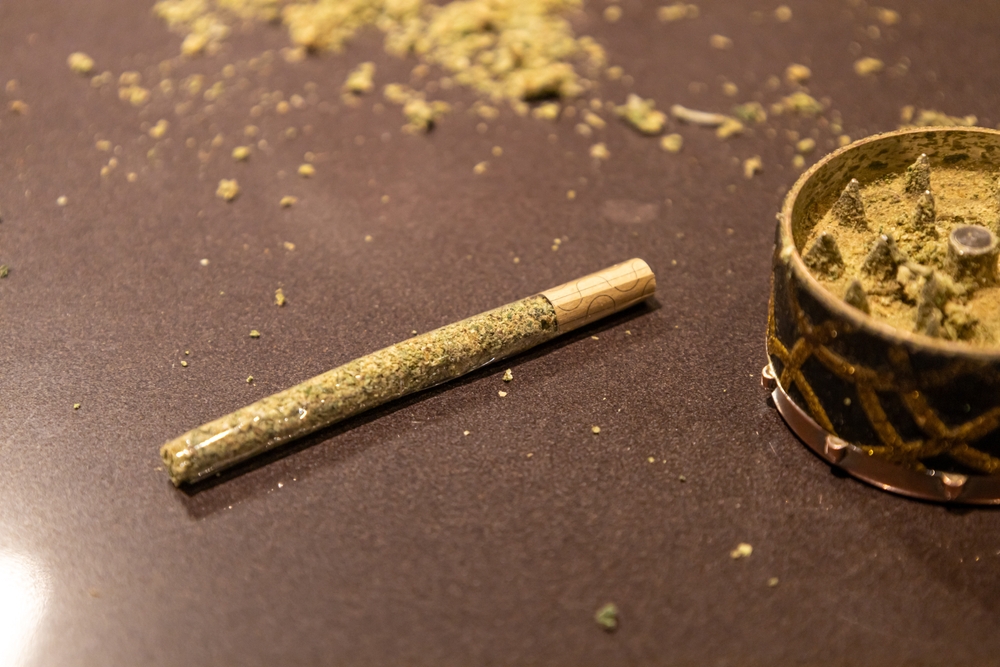
Cannabis has been much more than just a plant for millennia. It has been seen as a spiritual connector that helps bridge the tangible inhabited world with the vast unseen realm of consciousness. Cultures across continents have thoughtfully and purposefully integrated cannabis into their religious ceremonies, healing rituals, and meditative practices. It is not just about getting high, but also getting holy.
If you want to learn more about cannabis rituals across the world, including their evolution into a powerful, multifaceted cultural symbol, then keep reading.
Echoes in Antiquity: Where Rituals Began
The spiritual and medicinal significance of cannabis can be traced back to early human civilisation. Here is how and where the weed rituals began.
India: Bhang and the Bliss of Shiva
In India, you will find the strongest spiritual significance attached to cannabis, especially in the form of a spiced milky edible preparation known as “bhang.” It is referred to in the Atharvaveda as a sacred life-giving grass. Devotees of Lord Shiva consume bhang during vibrant festivals like Holi and Maha Shivratri. This consumption of cannabis in the form of bhang is a deliberate ritualised act that symbolises the pursuit of spiritual ecstasy.
China: Taoist Bridges to Consciousness
In ancient China, the relationship between spirituality and cannabis stretches back to almost 2,500 years. Taoists used to burn cannabis incense in quiet and secluded mountain retreats. It was believed that the rising smoke enhances meditation and allows them to connect with the ethereal spiritual realm more easily.
The belief helped the cannabis plant gain recognition as a ‘bridge to higher consciousness.’ The plant was also valued in traditional Chinese medicine. It was believed to have the ability to help harmonise the body’s yin and yang.
Egypt and Mesopotamia: Oils and Offerings
Evidence from archaeological findings suggests that cannabis was given significant attention by the major empires. It was carefully mixed into sacred oils and included in temple offerings. Cannabis residue has also been found in the tombs of high-status figures, including certain pharaohs.
Priests used cannabis for both healing and divination rituals, thus indicating that the plant’s utility transcended medicinal uses. It was a respected element in sacred and formal settings of the ancient world.
Spiritual Currents in Africa
African cannabis traditions have helped preserve the spiritual context of the plant very well. Here is how important cannabis was for maintaining community balance and ancestral connections.
Tribal Healing and Communion
Cannabis has been central to communal ceremonies across a variety of regions, from the Congo to Ethiopia. It was often used for spiritual cleansing, physical healing, and invoking the wisdom of ancestral spirits. For instance, smoking the herb in a highly ritualised manner was a method for settling disputes and securing social bonds among the Bashilenge of the Congo. The plant played a big role in fostering harmony.
Rastafarianism: Ganja as Sacrament
The most globally recognised spiritual use of cannabis can be linked to the Rastafari movement of Jamaica in the 1930s. Rastas called cannabis “ganja,” and elevated the plant to a divine status. For them, cannabis represents peace, unity, and a direct line to Jah or God. They often smoke weed during the Nyabinghi drumming sessions and reasoning circles.
Smoking weed during gatherings while discussing scriptures and life lessons is among the important cannabis traditions. This use is not an escape, but rather a dedicated path towards enlightenment and a deeper understanding of faith.
The Americas: Shamanic Links to the Spirit World
While other ethnicities played the central role in shaping weed rituals, here is how cannabis found its place in the complex spiritual practices of the Americas.
Shamans and Trance Rituals
In South America and the Caribbean, plants like ayahuasca and peyote were dominant. However, different tribes were often seen incorporating cannabis and other psychoactive herbs into their healing ceremonies and trance rituals.
The shamans, who are the individuals seen as spiritual intermediaries, used the properties of cannabis to transition into altered states. They believed that it enabled essential communication with the spirit world on behalf of their community. So, cannabis was also a professional tool of the spiritual trade.
Modern Healing Practices
Plant medicine remains respected today just like in the past. Some Native American groups thoughtfully integrate cannabis into prayer and cleansing rituals. They consider it a component of holistic healing.
Although cannabis is less historically prominent compared to tobacco or peyote in most groups, its current role is mostly of a calming and grounding agent. So, it has become a complement to ceremonies that are focused on addressing modern emotional and physical trauma. The cannabis traditions align with the core indigenous belief that every single plant holds a sacred essence and purpose.
Cannabis in the Great Eurasian Crossroads
Here is how cannabis rituals spread across Europe and Asia, mostly via the Silk Road.
Sufi Mysticism and Spiritual Ecstasy
Historical texts suggest that certain Sufi mystics used cannabis to achieve states of divine love and inspiration. They often referred to cannabis as “hashish.” It was believed that cannabis can quiet the ego. So, it was thought that cannabis enables a more direct and ecstatic communion with the divine. The cannabis traditions also aligned with spiritual poetry and music. It was used more like a contemplative aid, rather than for pure recreation.
Persian and Scythian Connections
The interpretations of the legality of cannabis vary widely in Islamic scholarship. However, historical texts suggest that cannabis did play a role in ancient Persian medicine and mystical literature. It was used as a tool for reflection and insight.
Separately, Greek historian Herodotus recorded that Scythian tribes, who were the nomadic people of Central Asia, burned hemp seeds in funeral tents. They believed that the smoke helps purify souls and guide the spirits. So, cannabis symbolised purification and transcendence in the Eurasian region.
Modern Sanctuary: Cannabis in the Wellness Space
The 21st century is witnessing a resurgence of cannabis rituals. Here is how the spiritual context of cannabis is being reintegrated into the contemporary wellness practices of today.
Mindfulness and the Art of Flow
In the fast-paced world of today, cannabis is re-emerging as a mindfulness aid. When used with respect and a clear purpose, cannabis helps deepen meditation, unlock creativity, and gently overcome emotional blockages. The goal has shifted entirely from simple intoxication. Consumers are seeking its properties for grounding and achieving heightened focus.
Sacred Circles and Conscious Consumption
Modern spiritual communities are actively reviving the ancient perspectives on cannabis. So, it is not uncommon to find cannabis yoga retreats or highly structured sacred circle ceremonies today. These modern weed rituals deliberately combine respect for tradition with a focus on self-awareness and personal healing. The core ethos here is the intention.
Cannabis is not consumed for a recreational distraction. Instead, it is used as a conscious tool to cultivate balance, gratitude, and inner peace. Users believe that when the plant is honoured, it honours them back.
Respecting the Sacred: A Note on Intention
As cannabis started becoming mainstream, many users started engaging with it with respect and awareness. Here is where cannabis traditions stand today.
Honour Origins, Avoid Appropriation
Before the widespread adoption of cannabis rituals, both travellers and practitioners must try to understand their cultural roots. Each tradition holds centuries of meaning, and so they deserve respect.
Using terms like “ganja” or mimicking Rastafarian rituals without understanding the deep socio-political and spiritual context can be disrespectful cultural appropriation. So, it is important to use cannabis intentionally as a spiritual companion, and not a shortcut to spirituality. To be a respectful and spiritual user, focus on learning, healing, and honouring the plant’s heritage.
Want to Participate in Cannabis Rituals?
From the bhang offerings of India to the Rastafari communal reasoning sessions in Jamaica, cannabis has consistently been seen as a universal symbol of peace, spirituality, and connection. Cannabis rituals have effortlessly transcended geographies and belief systems and remained a bridge between the body, mind, and spirit.
Cannabis continues to play its ancient role when approached with genuine respect and awareness. Understand that it is more than a plant. It is a living reminder of humanity’s shared desire for healing, knowledge, higher consciousness, and unity.
And if this profound knowledge has piqued your interest and you want to try cannabis as well, check out the variety on our site.
Frequently Asked Questions
What Forms of Cannabis Are Used in Weed Rituals Traditionally?
Traditional cannabis rituals involve the use of several forms. Traditional uses are more prominent in the Indian subcontinent. Dried flowers and leaves have been smoked as “ganja,” whereas an edible paste or beverage known as “bhang” is also popularly consumed during festivals like Holi. Hand-rubbed resin known as “charas” is also smoked, while cannabis-infused incense has also been popular.
How Are Cannabis Rituals Spiritually Significant?
Cannabis rituals have been known for facilitating spiritual awakenings. It is believed that cannabis traditions help connect users to divinity, insights, and higher consciousness. The psychoactive properties and its ability to aid meditation are what raised the plant’s spiritual significance.
Are Discussions of Cannabis Rituals Controversial?
Yes, discussions on cannabis rituals can be controversial due to the conflicting views on its legality. Conflict views can also be seen in relation to the health effects. Moreover, the subject of spiritual use versus substance abuse also attracts controversial views.
Which Culture Can Truly Be Associated With Cannabis Ritualisation?
It is not possible to associate a single culture with cannabis ritualisation. This is because the use of cannabis for ceremonial and spiritual purposes is well-documented across several cultures over different eras.