 REVIEWS.io - Rate us to Win Seeds
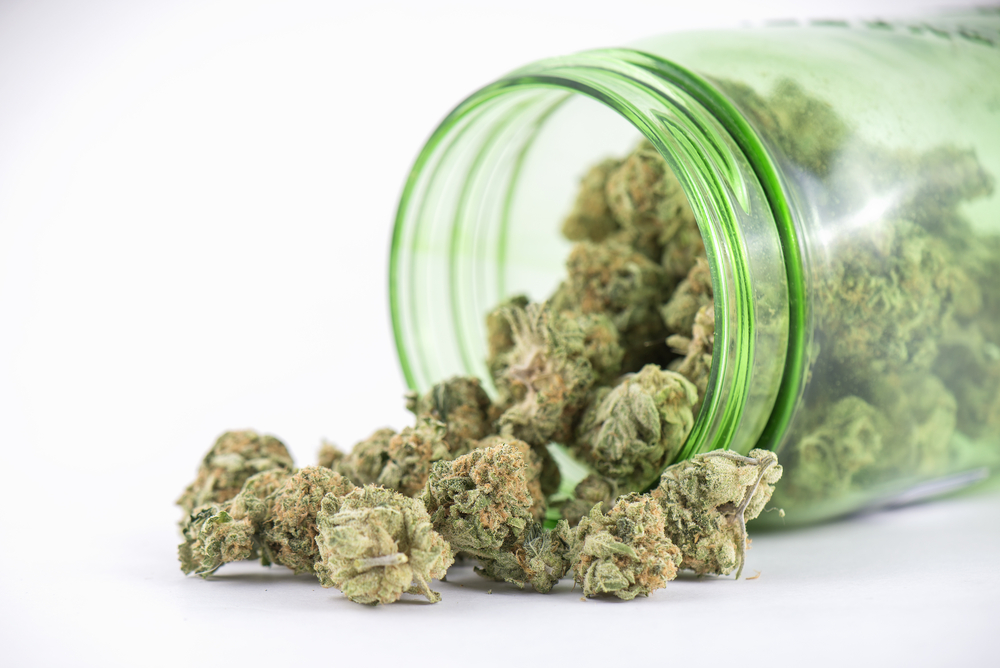
More than 2.4% of the people in the world use marijuana. It is used for recreational as well as medical benefits. If you want to know more about the benefits and risks of medical and recreational marijuana for the short and long term, then keep reading.
What is Marijuana?
Marijuana is a psychotropic herb. It is derived from the Cannabis sativa plant. You will find more than 125 different cannabinoids in a marijuana plant. The herb is typically taken or smoked as dried leaves and flowers.
Difference from Hemp
Both marijuana and hemp are derived from the cannabis plant. However, the chemical composition and the purpose of use of the two differ. Hemp and marijuana plants are not dissimilar species. The difference between marijuana and hemp can be understood based on cannabinoid content and the purpose of consumption.
Cannabinoid Content
The content of tetrahydrocannabinol (THC) is checked to determine what type it is. So, a 0.3% rule is considered to distinguish marijuana from hemp. Hemp is the term used to refer to cannabis with THC content of 0.3% or less by dry weight. On the contrary, if there is more than 0.3% of THC content, then it is regarded as marijuana.
Purpose of Use
High-THC strains like marijuana can make you more “high,” and thus have medical applications like mood and pain management. But low-THC strains do not produce enough “high,” and thus have industrial applications.
Hemp or marijuana plants are fast-growing. So, hemp is used as a green option for making paper, clothing, textiles, plastic, and animal feed. It is also used in food products. Examples include hemp oil, protein, and milk.
Here is an overview of the differences.
| Marijuana | Hemp | |
|---|---|---|
| THC Content: | More than 0.3% | 0.3% or less |
| “High” Marijuana Effects: | Mild to Strong | No to Very Low |
| Intended Use: | Pain management, mood management, stress relief, recreation, and other medical applications. | Making industrial products, stationery items, animal feed, and consumables. |
Table 1: Marijuana Vs. Hemp
Role of THC and Terpenes
THC is the main psychoactive compound that produces the “high.” It is the THC that makes you feel the different short-term marijuana effects like relaxation and hunger. On the other hand, terpenes are the compounds in the marijuana plant responsible for taste and smell. Terpenes can also somewhat influence the effects of THC.
Methods of Marijuana Use
Here are the four methods of consuming marijuana.
Smoking
You can roll marijuana into a tobacco leaf or unbleached paper, and smoke it like a cigarette. You can also smoke it using a pipe or traditional terracotta pots known as “chillums.” Or you can use bongs to smoke with water filtration.
Vaping
You can also vape marijuana. It involves using a vapouriser to heat marijuana concentrates like waxes and oils. Users inhale the produced vapour.
Edibles
You can also infuse beverages and food with marijuana. You can add heated marijuana flower into fat sources like oil and butter, and then use the fat for preparing cookies and brownies. You can also use concentrates instead of flowers.
THC power is also available as a tasteless and odourless additive. You can also use kief or marijuana dust on edibles. You can also prepare yoghurt or milk-based drinks with marijuana.
Tinctures
You can also take alcohol-based liquid extracts of marijuana orally. You can place the tinctures for absorption under your tongue. Or you can add them to your beverages and food.
Benefits of Marijuana
Both recreational and medical use of marijuana plants have potential benefits. However, remember that both carry the risk of addiction. There is also the risk of medical health issues in people who are predisposed to certain conditions.
Medical Use Vs. Recreational Use
Here is how medical and recreational marijuana effects and usage compare.
| Medical Usage | Recreational Usage |
|---|---|
| Pain Management: The CBD content in Marijuana can interact with the body’s pain receptors and lower chronic pain. | Euphoria and Relaxation: Marijuana is used for feeling relaxed and euphoric. Users seek changes in their mood. |
| Mood Management: Marijuana is used for reducing anxiety and improving mood. | Altered Perceptions: Marijuana is used for enjoying an altered perception of time and impairment of cognitive functions. Users seek deep relaxation and some escape from reality. |
| Neurological Conditions: Marijuana helps in managing symptoms of multiple sclerosis, epilepsy, and Parkinson’s disease. | Increased Appetite: People tend to consume marijuana before attending eating sessions. They seek the appetite-boosting effect to comfortably finish large quantities of food. |
| Other Benefits: Marijuana can lower inflammation and improve appetite, thus helping in managing cancer-related symptoms. | Better Sleep: Users often seek the sleep-inducing effect that marijuana can produce. People who want to fall asleep faster or deeper tend to consume before bedtime. |
Table 2: Medical Vs. Recreational Marijuana Usage
How Marijuana Affects the Body and Brain
You can feel a variety of marijuana effects. These can be for both short and long term, and are created by compounds like THC and terpenes.
Short-Term Effects
Depending on the level of THC in your marijuana plant, you are likely to feel the following short-term effects.
- Altered senses where you may feel heightened perceptions of sound, sight, and time
- Cognitive impairments at times
- Mood changes where you feel euphoric and relaxed, typically reducing anxiety
- There can be physical effects like an increase in your heart rate, dry mouth, sleepiness, disorientation, and dizziness
Long-Term Effects
These are the marijuana effects over the long term.
- Lasting changes in brain function, affecting attention, memory, and decisions
- Possible effects of anxiety, depression, and psychosis
- Respiratory issues like bronchitis
- Cardiovascular risks like increased blood pressure and heart rate
Addiction after long-term usage, with withdrawal symptoms following
Why it’s Called ‘marijuana’
The term “marijuana” gained prominence due to a mix of cultural perceptions, political movements, and stigmatisation.
Cultural Roots
It is likely that the term originated in Mexican Spanish. It may have originated from the Nahuatl word “mallihuan,” which means prisoner. It may also have come from the Spanish words ”marijuana” or “mejorana,” which are associated with the Chinese word for hemp.
Politics
The term gained more popularity during the 20th century due to anti-cannabis campaigns in the United States. The term gained further popularity during the “War on Drugs” era in the country. It is also said that the term was used for demonising cannabis and linking it to Mexican immigrants.
Stigma
The term became associated with negative stereotypes like addiction, violence, and mental illness. Those who used cannabis also often faced discrimination, social exclusion, and limited opportunities. However, celebrities and privileged groups used cannabis without facing stigma.
Final Thoughts?
Marijuana is consumed by a significant number of people worldwide. Its medicinal and recreational properties are well-recognised. However, it is important to understand that long-term heavy usage can lead to health issues, especially mental and respiratory. So, the trick is to consume recreationally or medicinally.
You can choose from a number of methods of taking marijuana, with smoking being the most popular one. Even hemp is used in manufacturing industrial, stationery, and food products. So, grow your own marijuana plant from seeds today!
Frequently Asked Questions
Can One Way of Consuming Marijuana Be Safer Than Others?
Marijuana contains THC that can impair attention, memory, risk-taking, and decision-making. So, health risks exist regardless of how it is used. However, the health risks of taking marijuana in different ways can vary. For example, smoking can expose you to harmful chemicals, while vaping can cause lung damage. Oils and concentrates involve contaminants and additives that can harm you.
What Factors Determine How Marijuana Will Affect Me?
You will get high faster and will be more tolerant of effects like dizziness and impairment if you have been a cannabis or any drug user in the past. Your gender, physiology, and genes will also determine how marijuana affects you. How you consume it and in what concentration will also influence its effects. The amount of marijuana used, and whether it is combined with other substances, will also determine its effect.
Can I Overdose on Marijuana?
It is very unlikely for marijuana to cause a life-threatening overdose. However, it is also not completely harmless. Consuming excessive marijuana will make its effects more severe. A typical bad reaction will involve feelings of extreme confusion, panic, and paranoia, anxiety, fast heart rate and high blood pressure, hallucinations and delusions, and severe nausea or vomiting.
Do Edibles Have a Different Effect Than Smokables?
Yes, the effects can be different. THC is absorbed slowly from edibles. So, you will feel a delayed but more intense and longer-lasting effect. If you smoke marijuana, you will feel the effects faster but for a shorter duration.
Can I Tell the Difference Between Marijuana and Hemp Without Consuming Them First?
No, the difference cannot be felt without smoking and ingesting. Marijuana has higher THC, which leads to psychoactive effects. This difference in THC concentration cannot be felt with physical sensation or visual inspection.